







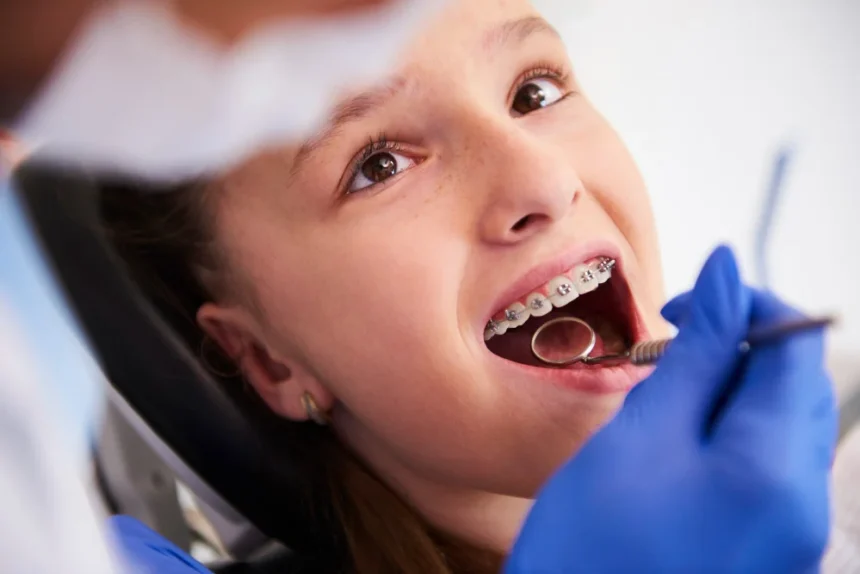
It usually starts with something small. You are eating, talking, or maybe just running your tongue over your braces when you feel it. A loose piece of metal, a sharp edge, or a bracket that is suddenly not where it was a few minutes ago. Your stomach drops a little. You might start worrying about pain, damage to your teeth, or whether all the progress you have made will be lost, and whether you need to call an orthodontist in Upland, California.
If you are feeling a mix of stress, frustration, and “Why is this happening now?”, you are not alone. A broken bracket is one of the most common orthodontic hiccups. It feels big in the moment, yet most of the time it is something that can be handled calmly, safely, and without derailing your treatment.
Here is the short version. A broken bracket is usually not a true medical emergency, but it is an orthodontic urgency that deserves attention. Your goals are simple. Protect your mouth from irritation, avoid making the problem worse, and contact your orthodontist for guidance and a repair appointment. With a few basic steps and a clear plan, you can get through this without panic.
What exactly is a broken bracket and why does it feel so stressful?
A bracket is the small square piece that is glued to each tooth and holds the wire that slowly moves your teeth into place. When a bracket breaks or comes loose, it may stay on the wire, twist around, or detach completely. You might notice it when you bite and feel something move, when your cheek gets poked, or when you see it out of position in the mirror.
The stress comes from a few places. You may worry about the cost of fixing it. You might fear that the tooth will move back or that your treatment will take longer. You might also be scared of swallowing or inhaling a loose piece. All of those reactions are understandable, especially if this is your first orthodontic issue.
So where does that leave you when you are staring at a loose bracket and wondering what to do next?
When is a broken bracket an emergency and when is it just urgent?
This is where the difference between true emergency orthodontic care and routine problem-solving matters. A broken bracket usually falls into the “urgent but not dangerous” category. That means you should address it soon, but you rarely need to rush to an emergency room.
Here are situations that are more serious and need immediate medical or urgent care attention, not just an orthodontic visit:
• Trouble breathing or swallowing
• Significant bleeding that does not stop
• Injury to your face or jaw from a fall, hit, or accident
• A wire or piece embedded in your cheek, tongue, or gum that you cannot safely move
For most other situations, such as a loose or spinning bracket, a wire poking your cheek, or a missing elastic tie, you are dealing with a common orthodontic emergency that can be managed at home until your orthodontist can see you. The American Association of Orthodontists shares clear guidance and photos of these situations in this helpful orthodontic emergencies guide.
Because of this, the question shifts from “Is this dangerous?” to “How do I stay comfortable and protect my treatment until I get help?”
Common “what if” scenarios with a broken bracket
To make this feel less overwhelming, it can help to picture a few real-world situations.
Scenario 1. The bracket is loose but still on the wire.
You notice the bracket sliding or rotating along the wire. It may irritate your cheek or lip, but it is still attached by the wire. This is uncomfortable but generally safe. You can cover it with orthodontic wax and avoid hard or sticky foods until it is repaired.
Scenario 2. The bracket has come off completely.
The bracket is out of your mouth, in your hand, or maybe already swallowed. If you swallowed it and you are breathing normally, it will usually pass through your system without harm. You should still tell your orthodontist what happened. If you still have the bracket, place it in a small container or bag and bring it to your next visit.
Scenario 3. The broken bracket created a sharp wire end.
When the bracket breaks, the wire may shift and start poking your cheek or gum. This can be painful and can create sores if ignored. You can use clean tweezers to gently move the wire into a more comfortable position, then cover the sharp area with wax. If the wire is very long and you are instructed to do so, you might carefully trim it with clean nail clippers, but only after speaking with your orthodontist’s office.
These situations are annoying. They can be painful. Yet with the right steps, they are manageable until professional care is available.
DIY fixes vs professional help for a broken bracket
When you are uncomfortable, it is tempting to “fix” the problem yourself. Some home care is helpful, but too much tinkering can create new problems. So how do you know where to draw the line with emergency orthodontic care at home?
DIY Comfort Care
Use orthodontic wax, rinse with warm salt water, gently move a wire with clean tweezers, take over-the-counter pain relief as directed
Irritation if you move the wire too much, short-term soreness, wax falling off if not dried well
Any time a bracket is loose, wire is out of place, or discomfort lasts more than a day
DIY “Repairs”
At most, trim a very long wire end if the office instructs you and you cannot be seen quickly
Delaying tooth movement, bending the wire incorrectly, damaging other brackets, extending treatment time
If you feel tempted to reglue a bracket yourself or fully remove wires or brackets
Professional Care
Replace or reposition brackets, adjust wires, check overall tooth movement, prevent long-term setbacks
None when done correctly. Waiting too long can slow progress.
As soon as possible after any broken or missing bracket
A helpful rule of thumb is this. Home care is for comfort and protection. Your orthodontist is for repair and adjustment. You do your part to stay safe and comfortable. The orthodontic team does the rest.
If you want additional reassurance while you wait for your visit, many practices share written guidance similar to this detailed orthodontic emergency checklist created for patients and parents.
What should you do immediately when a bracket breaks?
Once you realize a bracket is broken or loose, having a simple plan reduces anxiety. You do not need special skills. You just need a calm, step by step approach tailored to emergency orthodontic care for broken braces.
1. Protect your mouth and reduce irritation
First, gently check what is happening. Look in a mirror with good light. See whether the bracket is still on the wire, moving around, or missing. If there is a sharp edge or poking wire, dry the area with a tissue or cotton swab, then place a small ball of orthodontic wax over it. Press the wax so it molds around the bracket or wire. This creates a soft cushion that protects your cheek and lips.
If you do not have wax, you can sometimes use a small piece of sugar-free gum as a temporary barrier, although wax works better. Rinse your mouth with warm salt water if you feel sore spots. This can ease minor pain and help your mouth heal where it has been rubbed.
2. Call your orthodontist and describe exactly what you see
Next, contact your orthodontist’s office. Many offices have an after-hours line or instructions on their voicemail for urgent situations. Tell them which tooth is affected, whether the bracket is still attached to the wire, and if there is any pain or bleeding. If you can, take a clear photo of the area before calling. That way you can email or upload it if the office staff asks for it.
The team will tell you whether you need to be seen right away or if it can wait for a scheduled repair. They may also walk you through small home adjustments, such as how to move a wire into a better position. Trust that they handle these calls often. You are not bothering them by asking for help.
3. Adjust your habits until the bracket is repaired
While you are waiting for your appointment, treat your braces gently. This supports your overall orthodontist treatment plan and keeps the problem from spreading to other brackets.
• Avoid hard, crunchy, or sticky foods that could bend the wire or break more brackets.
• Cut food into smaller pieces and chew slowly on the side that feels more comfortable.
• Keep up with brushing and flossing, but be careful around the loose area so you do not pull on the wire.
• Pay attention to any changes. If pain increases or the wire shifts more, call the office again.
These small adjustments help you stay comfortable and protect the progress you have made so far.
Moving forward with confidence after a broken bracket
It is completely normal to feel thrown off by a broken bracket. You have invested time, energy, and money into your treatment. Any disruption feels personal. Yet a broken bracket is a common bump in the road, not a sign that everything is falling apart.
If you protect your mouth, reach out for professional guidance, and avoid trying to fix the hardware yourself, you reduce the risk of delays and keep your treatment on track. Your orthodontic team expects occasional emergencies and builds room in your plan for small setbacks.
You deserve to feel calm and informed, even when something unexpected happens in your mouth. With a clear understanding of how to handle emergency orthodontic care and a simple action plan, you can meet these moments with much less fear and much more confidence.