







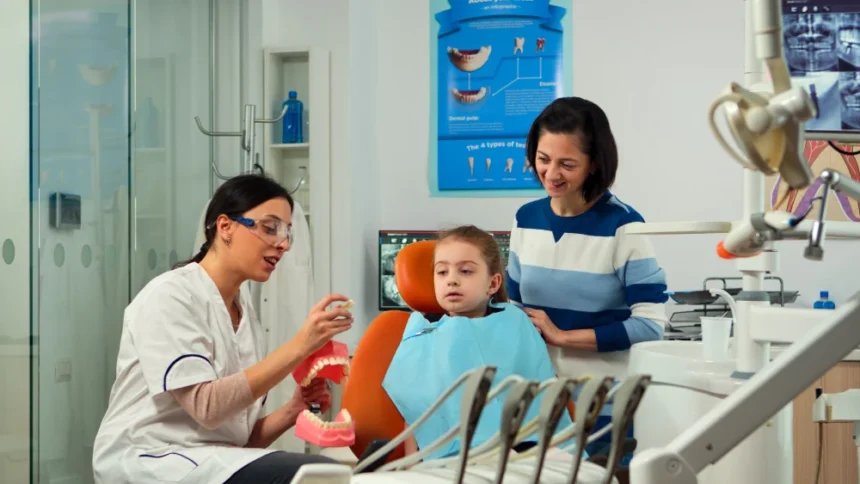
A family dentist does more than fix teeth. You trust this person with your child’s first visit, your own fears, and the habits that shape your health. A strong family practice teaches you what is happening in your mouth and treats problems at the same time. You learn what to do at home. You see clear steps in the chair. You feel more in control. This mix of education and treatment protects you from surprise pain, high costs, and rushed decisions. It also helps you explain dental visits to your kids in simple words. Many families want brighter smiles as well as healthy ones. So a cosmetic dentist in Vancouver, WA must balance cleanings, fillings, and exams with whitening and other options. Each visit becomes a chance to learn, choose, and heal together as a family.
Why Education Matters As Much As Treatment
You face many choices about your mouth. Fillings or crowns. Fluoride or not. Braces now or later. Without clear facts, these choices feel heavy and frightening. With simple teaching, they feel smaller and easier.
Education in family dentistry focuses on three core goals.
-
Help you prevent problems before they start
-
Help you spot trouble early at home
-
Help you understand each treatment choice
The dentist and team use plain words. They show pictures and models. They repeat key steps. They answer blunt questions about pain, cost, and time. You walk out with clear next steps instead of guesswork.
You can see this focus in public health messages. The Centers for Disease Control and Prevention’s oral health facts explain how brushing with fluoride, flossing, and checkups cut tooth decay and tooth loss. Your family dentist brings those same facts into your visit and tailors them to your daily life.
How A Visit Balances Teaching And Care
Every visit can support both your mind and your mouth. A balanced appointment often follows this pattern.
-
Review. You share changes in health, pain, or habits.
-
Check. The team looks at teeth, gums, and jaw with simple tools and images.
-
Explain. You hear what they see. You see pictures of your own teeth.
-
Treat. You receive cleaning or other needed care.
-
Coach. You learn one or two home skills to practice.
This rhythm keeps you involved. You do not feel like a passive body in a chair. You feel like a partner. Your child also sees that care is something you do together, not something done to you.
Teaching Children Without Fear
Children often carry quiet fear into the office. Needles. Noises. Strange tools. A family dentist eases this fear through patient teaching.
-
They use child-friendly words instead of technical terms.
-
They show tools and let your child touch them before use.
-
They explain each step in short, calm sentences.
You can support this at home in three ways.
-
Read simple books about going to the dentist.
-
Practice opening wide in front of a mirror.
-
Use positive phrases like “strong teeth check” instead of “shot.”
Shared teaching builds trust. Your child learns that questions are welcome. They learn that it is okay to say “I am scared” or “that feels strange.” This honesty helps the dentist adjust care in real time.
Comparing Education Focus And Treatment Focus
Healthcare blends both teaching and treatment. The table below shows how each focus looks and feels during a visit.
Mainly education
More talk, pictures, and demos during visits
More informed, less rushed, more questions
Better daily care, fewer surprises
Mainly treatment
More time on procedures and tools
Relief from pain, but still unsure about causes
Short term fixes, higher chance of repeat problems
Balanced approach
Clear mix of teaching, prevention, and procedures
Heard, respected, and more in control
Stronger habits, fewer crises, smarter choices
You do not need long lectures. You need clear, short teaching at the right moment. A balanced practice knows when to pause and explain and when to get the work done.
Preventive Care As Family Education
Prevention is quiet. You may not notice when it works. Yet it shields you from pain and cost. Family dentistry uses three basic tools for prevention.
-
Regular cleanings and exams
-
Fluoride treatments
-
Sealants for children’s back teeth
Each step works best when you understand why it matters. For example, the National Institute of Dental and Craniofacial Research explains that sealants protect chewing surfaces from decay. Your dentist can show your child where sticky food hides and how a sealant acts like a shield.
When you grasp the reason behind each step, you are more likely to keep future appointments. You are also more likely to keep up daily brushing and flossing at home.
Cosmetic Choices With Clear Guidance
Many families ask about whitening, bonding, or aligners. These choices affect both appearance and health. A balanced family dentist will
-
Explain what each option can and cannot change
-
Review risks like sensitivity or damage from overuse
-
Discuss cost and how long results may last
This honest talk helps you avoid quick fixes that harm teeth. It also helps teenagers build a steady, realistic view of their smile. You can weigh timing, sports, school photos, and budget without pressure.
Building Habits That Last For Life
Education and treatment come together in your home. After each visit, you can use three simple steps.
-
Pick one new habit for the whole family, such as brushing at the same time.
-
Post a short checklist in the bathroom sink area.
-
Set the next visit before you leave the office.
Small, steady changes protect your mouth, heart, and wallet. When your dentist treats and teaches with equal care, you gain the power to protect your family for years through simple daily choices.