







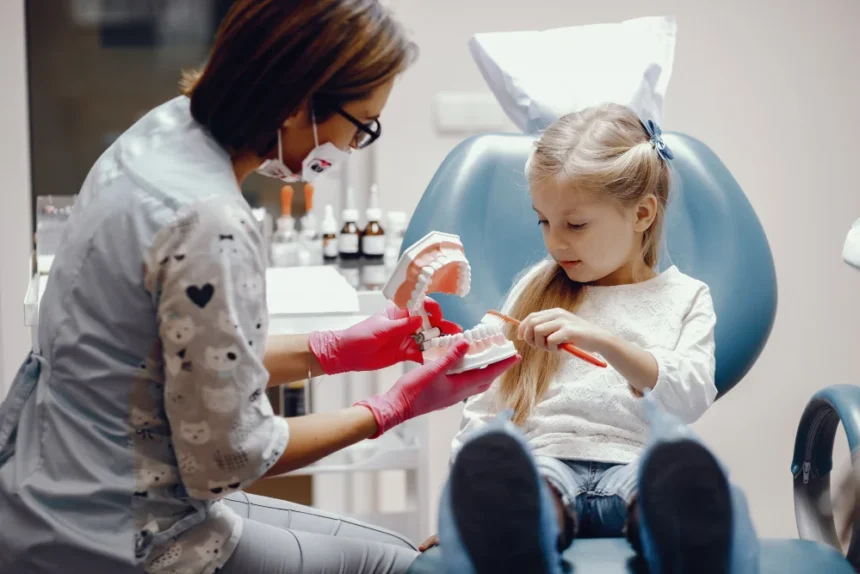
You might be wondering if you are doing enough for your child’s teeth. Maybe brushing turns into a battle every night, or your child clings to you in the dental chair with wide, worried eyes. You know oral health matters, yet the stress around it can make you feel like you are already behind. A caring dentist in Hastings, MI can help make each visit calmer and more positive for both you and your child.
It does not have to stay that way. When a child grows up with a calm, caring family dentist, dental visits begin to feel normal and safe. Over time, your child starts to see oral care as just another part of life, not something to fear. That shift is what this is really about. How family dentistry helps kids develop positive attitudes toward oral care is less about perfect brushing technique and more about shaping trust, habits, and confidence that last for decades.
So where does that leave you right now? You might feel unsure about when to start visits, how to handle your child’s anxiety, or whether you are “doing it right” at home. The good news is that with the right family dentist and a bit of structure, you can turn this from a source of tension into one of the healthiest routines your family has.
Why do kids fear the dentist in the first place, and what can you do about it?
Think about the world from your child’s point of view. Strange smells, unfamiliar tools, people wearing masks, and a chair that moves. If their first visit happens only after a toothache, they are already in pain before they even sit down. Their brain connects “dentist” with “hurt” and that memory sticks.
Now layer on what children might see or hear around them. Jokes about “hating the dentist.” A scared sibling. A rushed appointment where no one explains what is happening. It is not surprising that many kids tense up before they even walk in the door.
This is where a family dentist makes a real difference. A family practice sees parents, grandparents, and children together. Your child watches you get your teeth checked, hears you talk calmly with the dentist, and senses that this is a safe place. Because of this, the dentist is no longer a stranger. They become part of the family’s health team.
There is also the question of timing. The American Dental Association suggests that babies and kids start early, sometimes even when that first tooth appears. If you are curious about those age guidelines and what to expect, resources for babies and kids oral health can be very reassuring. Early, gentle visits mean your child meets the dentist before there is an emergency. The appointment becomes a “get to know you,” not a crisis.
How does a family dentist turn dental visits into positive experiences?
Once your child is in the office, what happens next matters. This is where thoughtful behavior guidance comes in. Pediatric and family dentists are trained to use strategies that reduce fear and build cooperation, especially with young or anxious patients. The American Academy of Pediatric Dentistry offers detailed behavior guidance recommendations for children, and many family dentists use these approaches every day.
For example, your dentist might use “tell show do.” First they tell your child what is going to happen in simple words. Then they show the mirror or the toothbrush on a finger. Only then do they gently use it in your child’s mouth. This step-by-step approach gives your child a sense of control. They are not being surprised. They are being included.
Positive reinforcement is another powerful tool. Instead of scolding a child for wiggling or refusing to open, a skilled family dentist looks for any small success to praise. “You held still for three seconds. That was really brave.” Your child hears that and thinks, “Maybe I can do that again.” Over time, they start to see themselves as capable in the dental chair.
You might also notice how a family dentist talks about home care. The focus is rarely on “You must brush or your teeth will rot.” It is more about “Let us help your teeth stay strong so you can eat your favorite foods and smile in pictures.” This shift from fear to empowerment is at the heart of creating positive dental experiences for children.
Family dentistry vs “just getting by” at home: what really changes for your child?
You may be asking yourself if you really need a regular family dentist, or if you can manage with home care and the occasional urgent visit. To make that choice clearer, it helps to see the differences side by side.
Consistent care with a family dentist
Regular checkups, same office and faces, prevention-focused visits, calm behavior guidance
Less pain, fewer emergencies, growing trust in the dental team
Sees dental care as normal and manageable, more likely to brush and floss without a fight
Home care only, dentist only for emergencies
Brushing at home, no checkups, visits only when there is pain or visible problems
Higher chance of toothaches or infections, stressful urgent visits
Associates dentist with pain and fear, may avoid care as a teen or adult
Irregular or changing dental offices
Different providers each time, no ongoing relationship, limited time to build trust
Mixed experiences, some fear, some neutral visits
Uncertain expectations, more anxiety before appointments
Public health data backs this up. National children’s oral health campaigns, such as those highlighted during National Children’s Dental Health Month, consistently show that kids who see a dentist regularly from a young age have fewer untreated cavities and better oral health habits later on. The pattern is simple. Familiar care leads to fewer problems, less fear, and better attitudes.
What can you do this week to help your child feel better about oral care?
It is easy to feel overwhelmed by everything you “should” be doing. Instead of trying to fix everything at once, focus on a few specific, high-impact moves that you can start right away.
1. Choose one family dentist and commit to regular visits
If you do not already have a family dentist, start by finding one who welcomes children and parents together. Look for an office that allows you to stay with your child during exams, explains things in child-friendly terms, and does not rush you through questions.
Once you have chosen, mark the next checkup on the calendar and treat it like any other important appointment. The message to your child is quiet but powerful. “This is part of how our family takes care of ourselves.” Over time, that consistent presence from the same provider is what turns a basic family dentist into a trusted partner in your child’s health.
2. Practice “mini dental visits” at home
Children do better with what feels familiar. A few days before an appointment, you can play “dentist” at home. Use a toothbrush and a small mirror. Count their teeth out loud. Let them do the same for a stuffed animal or for you. Keep it light and simple. Avoid jokes about pain or shots.
You can also talk through what will happen. “We will sit in a special chair that goes up and down. The dentist will look at your teeth and maybe take pictures of them. My job is to stay with you. Your job is to open and close when they ask.” When your child hears similar words in the office, they feel prepared instead of surprised.
3. Make oral care part of your family story, not a punishment
Try to move away from using brushing as a threat. For example, “If you do not brush, your teeth will fall out.” Instead, link oral care to things your child already values. “We brush so your mouth feels fresh before school.” “We floss so food does not get stuck between your teeth and bother you.”
It also helps when your child sees you caring for your own teeth. Brush together when you can. Mention your own checkups in a calm, matter-of-fact way. The more your child sees oral care as something everyone does, the less it feels like a chore forced on them. This is how children’s attitudes toward dental care shift from resistance to routine.
Encouragement as you guide your child toward a healthier smile
If things have been rocky so far, you are not alone. Many parents reach out for help only after a cavity, a meltdown in the chair, or months of nightly battles over brushing. That does not mean you have failed. It simply means you are ready for a different approach.
By choosing a steady family dentist, preparing your child gently at home, and talking about oral care as a normal part of life, you are already changing the story. You are helping your child build trust, confidence, and habits that will protect their health long after they grow up and leave your home.
Small, consistent steps matter more than perfection. Start where you are, choose the support you need, and give your child the gift of seeing dental care as something safe, understandable, and completely manageable.