







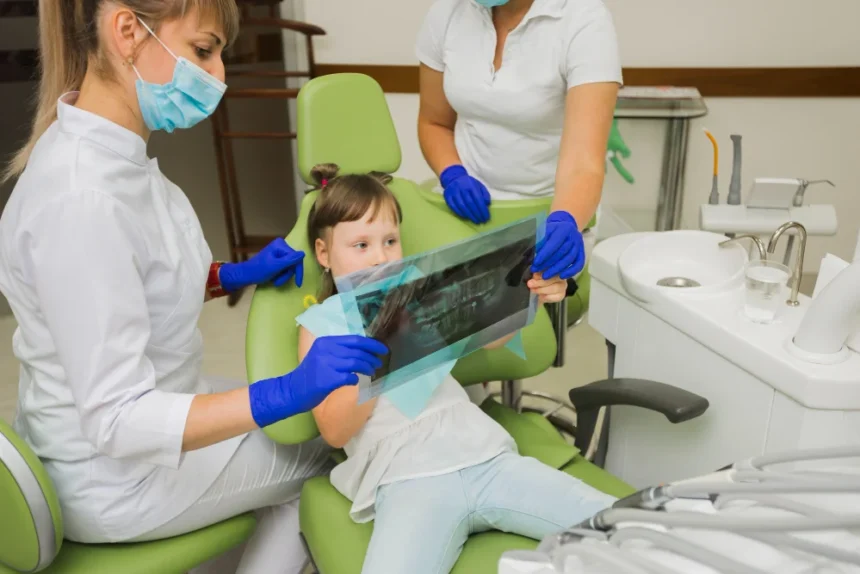
You might be looking at your child’s tiny teeth and wondering if all the talk about early dental visits is really necessary. Life is already busy. There are checkups, vaccines, school, childcare, and a never ending list of things to remember. Adding a trip to an experienced family dentist in Montebello for a toddler who may not even sit still can feel like one thing too many.
At the same time, there is that quiet worry in the back of your mind. Maybe you have noticed white spots on your child’s front teeth. Maybe they complain that something hurts when they eat. Or maybe you remember your own childhood cavities and braces and you do not want your child to go through the same thing.
Here is the simple overview. Early dental screenings are less about “fixing” teeth and more about guiding growth. When a dentist sees a child early and regularly, it becomes possible to prevent many problems, catch others while they are small, and support healthy jaw and facial development. That means fewer emergencies, less pain, lower costs over time, and a more confident smile for your child.
So where does that leave you? It leaves you with a real choice. You can wait and hope things turn out fine, or you can understand why early screenings matter and use that knowledge to protect your child’s health.
Why early dental checkups matter even when baby teeth fall out
One of the most common questions parents ask is, “If baby teeth fall out anyway, why should I worry?” It is a fair question, especially if you are juggling limited time or money.
Baby teeth do much more than fill space until the adult teeth show up. They help your child chew, speak clearly, and guide the permanent teeth into the right position. When baby teeth are lost too early because of decay, the neighboring teeth can drift, the bite can change, and the jaw can grow in a less ideal way. This can set the stage for crowding, misalignment, and sometimes more complex orthodontic treatment later.
Early cavities also hurt. They can affect eating, sleep, school focus, and even self esteem. The American Academy of Pediatric Dentistry has detailed how early childhood caries creates unique challenges for families, especially when left untreated. You can read more about these challenges in their guidance on early childhood cavities in young children.
Because of this, early dental screenings for children are really screenings for growth, development, and comfort, not just for holes in teeth.
How small issues in early childhood can grow into bigger problems
To see why timing matters, it helps to picture a few “what if” situations.
Imagine a two year old who goes to bed with a bottle of milk or juice. At first everything looks fine. There are no obvious spots on the teeth, and the child seems happy. Without regular checkups, those early signs of decay on the back of the front teeth might be missed. By the time anyone notices brown areas or the child starts waking up at night with pain, the decay can be deep, sometimes needing crowns or even extractions under sedation. That is stressful for the child and expensive for the family.
Now imagine the same child who has an early visit with a family dentist around their first birthday. The dentist explains how to clean baby teeth, why to avoid putting the child to bed with a bottle, and how to use a tiny smear of fluoride toothpaste. They might also apply a safe, quick fluoride treatment to strengthen the enamel. The parent leaves with clear guidance instead of guesswork. In many cases, those painful and costly problems never appear.
The pattern is similar for growth and alignment. A young child who breathes mostly through the mouth, snores at night, or always tilts the jaw when chewing may be showing early signs of bite or airway issues. A dentist who sees the child early can monitor jaw growth, suggest simple habit changes, or refer to a specialist if needed. Without that, the same child might not be noticed until the permanent teeth are crowded or the jaw relationship is harder to correct.
So when you hear about the importance of early dental screenings for growth and development, it is really about avoiding avoidable pain and giving your child’s mouth and face a chance to grow in a healthier way.
What do experts say about early oral health for children?
You do not have to rely on opinions or guesswork. Several respected organizations offer clear guidance about early oral care.
The American Dental Association’s MouthHealthy resource explains how baby teeth erupt, why they matter, and how parents can care for them from the very beginning. You can explore their overview on baby teeth and early care to understand the basics.
The Centers for Disease Control and Prevention also provides practical tips on brushing, diet, and fluoride for children. Their page on oral health tips for kids is a helpful checklist you can use at home.
For babies and toddlers, the National Institute of Dental and Craniofacial Research has a guide called “A Healthy Mouth for Your Baby.” It walks parents through everyday steps to prevent decay even before the first tooth appears. You can find that guide at Healthy Mouth for Your Baby.
All of these sources point in the same direction. Early, consistent attention to your child’s teeth and gums is one of the simplest ways to protect their general health and support normal development.
Comparing early screenings with a “wait and see” approach
You might still be wondering how much difference early visits really make. One way to think about it is to compare the likely experiences over time.
Chance of catching small issues early
High. Small cavities or growth concerns are usually found when they are easy to manage.
Lower. Problems are often noticed only when pain or visible damage appears.
Child’s comfort and cooperation
Visits feel familiar. The child builds trust with the dentist over time.
First visit may happen during pain or an emergency, which can feel scary.
Impact on growth and alignment
Jaw and bite can be monitored. Early guidance can reduce later complexity.
Growth issues may go unnoticed until the permanent teeth are affected.
Financial impact over the years
More preventive care. Often fewer large procedures and lower total costs.
Higher chance of urgent treatments, which can be more expensive.
Parent stress level
More predictability. Fewer surprises and clear guidance.
More uncertainty. Problems may appear suddenly and feel overwhelming.
Looking at it this way, early screenings are less about scheduling “extra” appointments and more about trading crisis care for steady, predictable support.
Three practical steps you can take right now
You do not need to change everything overnight. A few focused actions can put your child on a much safer path.
1. Schedule the first checkup by age one or within 6 months of the first tooth
If your child has not yet seen a dentist and already has teeth, the best time to schedule is now. A family dentist who is comfortable with children can check the teeth and gums, look for early signs of decay, and talk with you about feeding, pacifiers, thumb sucking, and brushing. The visit is usually quick and gentle. The goal is to give you information and help your child feel at ease.
2. Build a simple home routine that protects developing teeth
For babies, wipe the gums with a clean, damp cloth after feedings. Once the first tooth appears, use a soft, small-headed toothbrush. For children under 3, use a tiny smear of fluoride toothpaste, about the size of a grain of rice. For ages 3 to 6, use a pea-sized amount. Help your child brush twice a day. Try to make it a calm, predictable part of the day rather than a daily struggle.
3. Watch for early warning signs and ask questions early
Pay attention to any white or brown spots on the teeth, bad breath that does not improve with brushing, or complaints of pain while eating. Also notice if your child snores regularly, breathes mostly through the mouth, or has trouble chewing on both sides. These can be early signals that deserve attention, not reasons to panic. Mention them at your next visit to your family dentist so they can decide what, if anything, needs to be done.
Bringing it all together for your child’s future smile
You want your child to grow up healthy, confident, and free from avoidable pain. Early dental screenings are one of the quieter tools that help make that possible. They support healthy growth, protect baby teeth that guide the adult ones, and give you clear, research backed steps so you are not left guessing.
By choosing early childhood dental care instead of a “wait and see” approach, you give your child a better chance at a strong bite, easier speech development, and fewer stressful dental visits later on. Most of all, you send a message that their health matters, even in the small things.
If you feel behind, you are not alone. You can start now. Reach out to a trusted family dentist, schedule that first visit, and bring your questions. One calm appointment can change the path of your child’s oral health for years to come.