







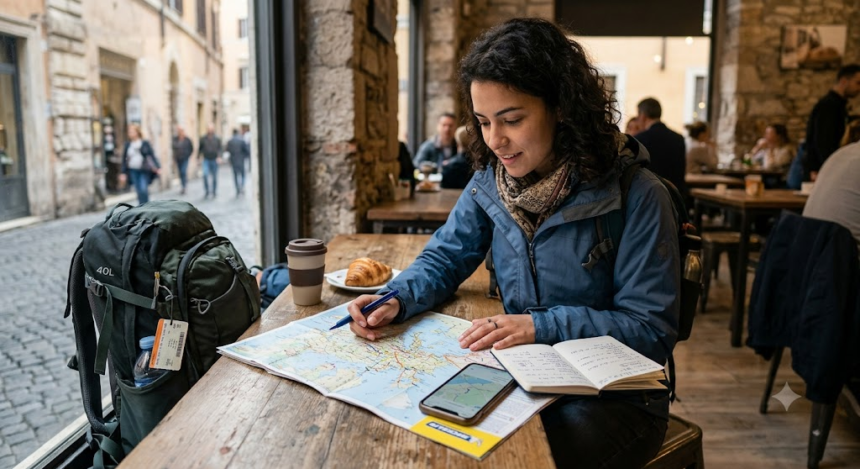
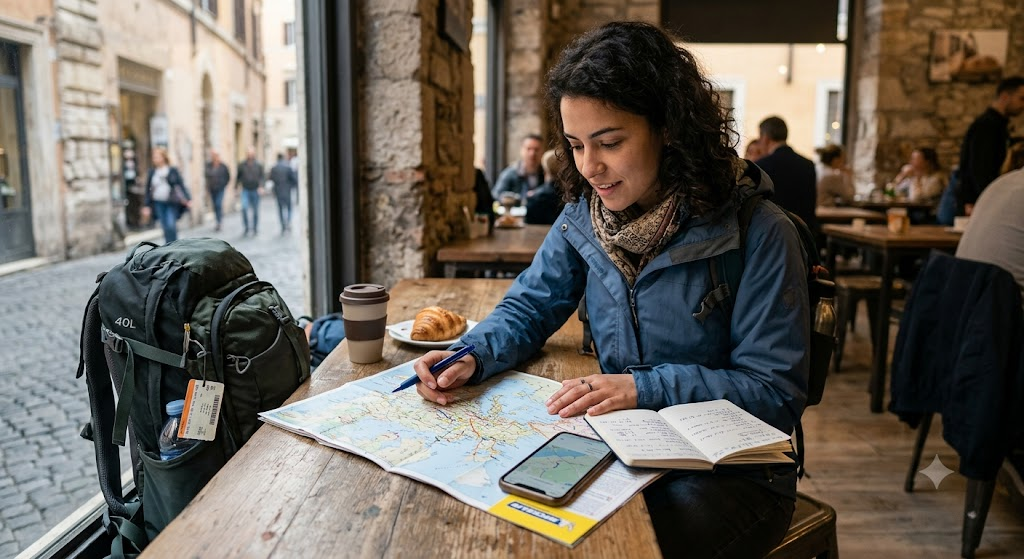
Dreaming of Europe and exploring all these places, and still want to make sure to stick to the budget.
Europe offers everything that comes under the sun- the museums, castles, art, cuisines, local places, and even the most secluded villages, perfect for traveling in any given style.
A little careful planning on your part will not only save a lot of pennies but will also ensure a smooth and great trip. Traveling cheaply to Europe does not mean compromising on your comfort. Rather, make the smarter choice for the right travel time.
1. Choose Your Travel Season Smartly
The season you decide to travel in can have a significant bearing on the cost of your travel; a period when the holiday season is active can be quite expensive in terms of hotel and flight bookings. An offseason can enable you to get value and a quiet and less stressful location to holiday in.
Pick Months With Comfortable Prices
Many trips to European countries are great during the spring or fall. The weather conditions will be suitable for visiting most of the regions, and most of the cities will feel lively and alive. Walking, discovering public spaces, local shops, and day trips will all become more comfortable.
When possible and dates aren’t too rigid, compare costs over different weeks before making a decision. Traveling the trip back and forward a couple of days will sometimes yield a pleasing bargain.
2. Compare Flights Before Booking
Finding an airline ticket often contributes to most travel expenses. It really makes sense to compare them properly, and you can save a significant amount of your money just by comparing.
A well-structured search for comparing air tickets shows all the routes, traveling time, and prices at a single glance.
Use Search Tools With Flexible Dates
Many travelers look for the best search engine for european flights when they want to compare routes between different cities. It can help you check multiple date options and nearby airports. This makes it easier to choose a flight that fits your plan and budget.
Try checking early morning, late evening, and weekday flights too. These options can often give better value.
3. Keep Your Route Simple And Practical
Europe has many amazing places, so it is natural to feel like adding many cities to one trip. A simple route can help you enjoy each place better and spend less on transport.
Focus On Nearby Cities
Pick cities connected by train, bus, or short flight. For example, plan by country or even by region instead of hopping from place to place, far away from each other.
It allows you to have plenty of time to discover the local streets, food, parks, museums, cafes, and little by little details. The itinerary also helps save energy. That means you make more from your trip because you are relaxing more than travelling.
4. Look At Budget-Friendly Airlines
Europe has many low-cost flight options that connect popular cities. These airlines are useful when you want to travel between countries in less time.
Check What Is Included In The Fare
The best budget airlines can help travelers save money when the ticket is chosen with care. Before booking, check what the fare includes, such as cabin bag size, seat choice, and check-in rules. This helps you know the full cost clearly.
A low fare works best when you pack light and keep your plan simple. For short city-to-city trips, this can be a very useful choice.
5. Book Stays Near Public Transport
Being well-situated is important when travelling around Europe, and having a hotel that is close to the metro, train, tram, or bus stops. This will help reduce transit times and fares.
Choose Location Before Extra Luxury
A simple, clean stay that is convenient by walk to reach transport has a better advantage to fancy stay that is off location. It allows easy travel to attractions, get back to the place of rest, and you can explore the place with fewer or no cab rides. Even for early trains or flights, easy access to the station will make your travelling day pleasant.
6. Use Public Transport Like Locals
Virtually every European city has an efficient system of public transportation. Trains, tram and bus, and metros are often quite easy to navigate, and they connect a good number of the city’s key sights and areas.
Buy Day Passes Or City Cards Carefully
If you’ll be taking transit frequently, many cities offer a day pass for a bargain. Other city passes give you entrance to museums or attractions to see the itinerary to see if they work with your plans.
I find that many cities can also be seen while walking. There are so many attractive streets and old squares to see along many city rivers!
7. Eat Local And Keep Meals Balanced
If you choose wisely, you can have the very local food flavor with not so many dollars spent while using both the restaurant meals and local choices to supplement your eating habits.
Try Bakeries, Markets, And Small Cafes
Visit Local Bakeries, food markets, or local small cafes. They can serve some really delicious local dishes at very reasonable rates. From hot, freshly baked breads to a wide selection of pastries, soups, and sandwiches, to a quick bite from local snack stalls. Seasonal specialities are best enjoyed here.
A balanced option you can take is to order one lavish meal at an expensive cafe, then stick to local eats or the ones from local markets for your other meals, so the spending is kept in check without compromising on a true local experience.
8. Plan Free And Low-Cost Activities
While most of Europe can break your wallet, it does offer a wealth of experiences that don’t cost the earth; many, in fact, are completely free and provide for rich, culturally savvy travels – just a city park, ancient alleyways, riverways, churches, outlooks, markets, and the like are required to provide that well-traveled vibe.
Add Walking Routes To Your Plan
Wander the historic centers, hang out in public spaces, and get up to those breathtaking views of the city skyline; some museums have free admission days or cheap evenings too.
For any planned destinations, do a little research before your travel day so you can get an organized list of freebie spots and cheapos to hit to give your day some structure.
9. Pack Light For Better Travel
Traveling Europe while light-packed. It can’t be easy, as many city centers have staircases, train stations, cobblestones, and small rooms where to stay during a holiday. I really don’t enjoy carrying around a big suitcase during a holiday, especially on stairs and in places like trains.
Carry Only What You Will Use
Wear your clothes like a mix-and-match palette. Comfy walking shoes are going to be key, especially if your Europe adventure is heavy on exploring on foot. Pack light, and you won’t struggle with those budget airline carry-on limits, nor will dragging your baggage between cities be a massive time commitment.
10. Keep A Daily Budget Plan
A daily budget helps you enjoy the trip with clarity. You do not need to track every small coin, but having a simple idea of your spending is useful.
Divide Money By Main Needs
You can divide your budget into stay, food, transport, attractions, and shopping. This makes it easier to see where your money is going.
Keep some extra amount for small treats like local desserts, souvenirs, or a nice evening meal. A good budget should support comfort, not reduce joy.
Final Thoughts
It can actually be easy to get to and from anywhere in Europe without overspending – by following a strategy. Just find your best time of year to travel, look for deals in flights, book an efficient itinerary, sleep well close to transit, and take full advantage of local cuisine and free things to do. These will lead to trips that leave you richer by memories.
Travel most economically when planning for the best of Europe trip! You won’t spend much while having an awesome journey.