







You might be feeling caught between two things that matter a lot to you. You want a healthier, straighter smile, yet you really do not want a mouth full of metal showing up in every photo, every work meeting, or every first impression. That is where clear aligners in Dearborn Heights can make a difference. You might have even closed a tab on traditional braces because the look felt like too much to live with for a year or more.
Because of that tension, you may be asking yourself if clear aligners are really as “invisible” and convenient as people say, or if they are just another trend that will cost a lot without delivering what you need. It is a fair question. You care about how you look today, not just how your teeth might look years from now.
Here is the short version. Clear aligners tend to appeal to image conscious patients because they are discreet, removable, and easier to fit into an adult or teen life that already feels full. They are not magic and they are not the right choice for every bite problem, yet when used under the guidance of a trained dental professional, they can quietly move your teeth while you keep living your life in public, at work, on dates, and on camera, without feeling like your smile is under construction.
Why appearance matters so much when you think about orthodontic treatment
For many adults, the story starts with a small moment. You catch your smile in a group photo and zoom in. You notice crowding, a dark shadow where teeth overlap, or a front tooth that has shifted. Or maybe you have always been aware of your bite, but a recent promotion, a new relationship, or more video meetings suddenly makes it feel urgent.
At the same time, the idea of metal braces can feel almost like going backwards in life. You might worry about looking younger or less professional. Teens feel a different kind of pressure. Social media, constant photos, and comparison with others can make the thought of visible brackets feel overwhelming.
Because of this, many people quietly delay treatment for years. They live with bite issues that affect chewing, jaw comfort, and overall oral health, all because they do not want the world to see braces every time they smile. You are far from alone. The number of adults seeking orthodontic care is at an all time high, as the American Association of Orthodontists reports, which means your concerns are shared by many others who also care about how they look.
So where does that leave you if you want change, yet you also want to feel like yourself during treatment, not just after it is over?
How clear aligners quietly support your image while your teeth move
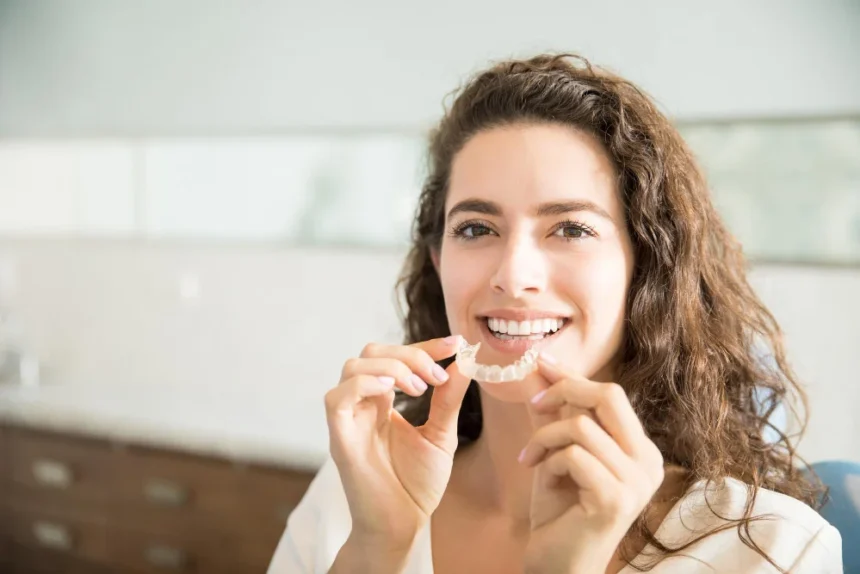
This is where clear aligner treatment tends to stand out for image conscious patients. Instead of brackets and wires, you wear a series of clear plastic trays that fit closely over your teeth. They are designed to be almost unnoticeable in normal conversation and in most photos.
Here is why that matters emotionally and practically.
First, there is the day to day confidence factor. You can smile in meetings, talk with clients, and show up in photos without feeling like your orthodontic treatment is the first thing people see. Many people report that others either do not notice the aligners at all, or only notice if they are looking very closely.
Second, clear aligners are removable. You take them out to eat, drink anything besides water, and clean your teeth. That means no food stuck in brackets, no avoiding certain dishes at social events, and no complicated brushing around wires. For someone who cares about fresh breath and a clean look, this feels like a relief.
Third, the treatment process can feel more flexible. While you do need to wear the trays most of the day for them to work, you can choose to take them out for a short time during a big presentation, a photoshoot, or a special occasion. That sense of control can ease a lot of anxiety about how you will look at important moments over the next year or so.
There is also a social pressure layer that is easy to overlook. Teens and adults alike may feel judged for having visible braces. Clear aligners can reduce that fear and make it easier to finally say yes to treatment that has been postponed for years.
Of course, the picture is not only positive. Clear aligners are still medical devices. They must be designed and supervised by a trained dentist or orthodontist. The AAO’s guidance for adult orthodontics highlights the importance of professional planning for safe and effective tooth movement. Without that, cosmetic goals can clash with the health of your teeth and gums.
What about safety, comfort, and long term results with clear aligners
As you look beyond appearance, you might wonder how clear aligners affect your teeth in the long run. That is a wise question. Recent research has started to look closer at how clear plastic trays interact with enamel and bite forces. One NIDCR supported study raised questions about changes in tooth hardness after aligner use, which reinforces the need for careful monitoring.
Here is what this means for you. Any orthodontic treatment, whether braces or aligners, moves teeth through bone. Done correctly by a trained professional, it can improve function and appearance. Done poorly, or without proper diagnosis, it can create problems like root shortening, gum recession, or bite instability. So the key is not choosing between “braces” and “aligners” as products. The key is choosing a qualified provider who can tell you honestly which option is safest and most effective for your specific bite.
Professional organizations such as the American Association of Orthodontists offer resources and answers to common questions about how teeth move and what to expect from treatment. If you want to understand the basics before you speak to anyone, their FAQ resources can help you ask better questions and feel more prepared.
So, how do clear aligners compare with traditional braces when you care about both image and health?
Comparing clear aligners and traditional braces when appearance matters
The table below summarizes some of the key differences that image conscious patients often ask about. It is not a substitute for a personal exam, yet it can help you organize your thoughts before you speak with a general dentist or orthodontist.
Visibility in daily life
Very low. Trays are clear and close fitting. Often unnoticed in conversation and photos.
High. Brackets and wires are visible whenever you smile or speak.
Impact on self image
Often easier for image conscious adults and teens. Feels more “neutral” in social and work settings.
Can cause self consciousness, especially for adults in professional roles or teens on social media.
Oral hygiene during treatment
Trays removed for brushing and flossing. Easier to keep teeth and gums clean.
More difficult to clean around brackets and wires. Requires extra tools and time.
Eating and social events
Aligners removed to eat. No food restrictions, but you must remember to put them back in.
Some food restrictions. Risk of food caught in braces during meals and photos.
Range of treatable cases
Excellent for many mild to moderate issues. Complex bites may need braces or a combination.
Can treat almost all types of bite and alignment problems.
Discomfort and speech
Mild pressure with each new tray. Short adjustment period for speech.
Discomfort after adjustments. Brackets may irritate lips and cheeks.
Discipline required
High. Must wear 20 to 22 hours a day. Removing them too often slows or harms results.
Low. Fixed to teeth, so you cannot forget to wear them.
When you look at this side by side, it becomes clear why invisible aligner treatment often attracts people who care deeply about how they present themselves in public. Yet it also shows why a thoughtful conversation with a general dentist or orthodontist matters. Appearance is important, but so is choosing something you can realistically commit to wearing and caring for every single day.
Three practical steps if you are considering clear aligners for cosmetic reasons
If you are leaning toward clear aligners because of your image, here are three steps that can help you move forward with clarity instead of pressure.
1. Get an honest clinical opinion, not just a sales pitch
Schedule a consultation with a trusted general dentist or orthodontist who provides both braces and aligners. Ask them which option they would choose if appearance were not an issue. Then ask how that answer changes when your cosmetic concerns are included.
Pay attention to whether they explain your bite issues in simple language and show you images or models. You should come away understanding what is possible with aligners, what might be harder, and what risks exist if you choose looks over function.
2. Be honest with yourself about your habits and schedule
Clear aligners require consistent wear. If you tend to forget things, snack a lot during the day, or already feel stretched thin, you may need a plan. For example, pairing aligner wear with daily routines, setting phone reminders, or limiting grazing between meals. If that sounds unrealistic, traditional braces might actually support your goals better, even if you like their look less.
Think about travel, late nights, and special events. Are you likely to take the trays out and forget them in a napkin at a restaurant, or leave them in a hotel room? Planning for real life, not an ideal version of yourself, protects both your investment and your results.
3. Look beyond the “after” photo and ask about long term stability
Ask your provider how they plan to keep your teeth straight once treatment is over. Retainers are an important part of any orthodontic treatment, including aligners. You may be shown beautiful before and after images, yet what you really want is a smile that stays stable in five or ten years.
Ask questions like “What kind of retainer will I need” and “How long should I wear it” and “What happens if I stop wearing it.” A provider who respects both your cosmetic goals and your long term oral health will answer clearly and set realistic expectations.
Moving toward a straighter smile that still feels like you
Wanting a better smile while also wanting to protect your image is not shallow. It is human. Your face, your expression, and your confidence all meet in your smile. If you have been putting off treatment because you were afraid of how you would look with braces, clear aligners might open a door that finally feels possible.
The next step is simple. Reach out to a trusted dental professional, bring your questions, and be honest about how important appearance is to you. With the right guidance, you can choose a path that respects both your self image today and the health of your teeth for years to come.