





Losing a tooth changes more than your smile. It affects how you eat, speak, and feel about yourself. You might avoid photos. You might hide your mouth when you laugh. Tooth loss can also lead to bone loss, shifting teeth, and jaw pain. That is why cosmetic dentistry matters after tooth loss. It is not about vanity. It is about function, comfort, and self respect. Modern care lets you replace missing teeth in ways that look natural and feel strong. You can choose options that match your needs, budget, and health. Some people need implants. Others need bridges or dentures. Some need gum reshaping or bonding. New tools such as laser dentistry in North Scottsdale can reduce bleeding and shorten healing time. You deserve a mouth that works well and feels like you again. You do not have to accept tooth loss as the final chapter.
How Tooth Loss Changes Your Mouth
Tooth loss starts a chain reaction in your mouth. One missing tooth can affect the teeth next to it and the bone under it.
Here is what often happens after loss.
- Chewing becomes uneven. You chew more on one side. That side wears down faster.
- Nearby teeth tip into the gap. This creates spaces that trap food and plaque.
- The bone under the missing tooth shrinks. Your jaw shape changes over time.
The National Institute of Dental and Craniofacial Research explains that tooth loss is linked to gum disease and other health problems.
Why Cosmetic Dentistry Is About Health
Cosmetic dentistry after tooth loss protects your health. It does three important things.
- Restores chewing so you can eat a full range of foods
- Holds nearby teeth in place so they do not shift
- Supports your jawbone and face shape
Your smile also affects your mood and work life. Avoiding speech, meetings, or family events because of missing teeth can drain your energy. A restored smile reduces that daily stress. It helps you show up without fear or shame.
Common Options After Tooth Loss
You have several choices. Each one has strengths and limits. Your dentist will help you match the option to your health, age, and goals.
Comparison of Common Tooth Replacement Options
| Option | What It Is | Pros | Cons | Best For |
|---|---|---|---|---|
| Dental implant | A post placed in the jaw with a crown on top | Feels like a natural tooth. Helps protect bone. Stays in place. | Needs enough bone. Needs surgery. Costs more than other choices. | Single or few missing teeth with healthy bone |
| Fixed bridge | Crowns on nearby teeth with a fake tooth in between | Does not come out. Looks natural. Faster than implants. | Requires shaping nearby teeth. Does not protect the bone under the gap. | One or two missing teeth between healthy teeth |
| Partial denture | Removable plate that replaces several teeth | Lower cost. Easy to adjust. Can replace many teeth at once. | Can move during speech or eating. Needs daily removal and cleaning. | Several missing teeth in one arch |
| Full denture | Removable plate that replaces all teeth in one arch | Restores smile when all teeth are gone. Lower cost than many implants. | Can rub or slip. Bone continues to shrink under it. | All or almost all teeth missing |
How Cosmetic Care Protects Your Jaw and Face
When a tooth is gone, the jawbone under it loses pressure. Then the bone shrinks. Over time, this can change your profile. Your lips and cheeks may sink inward. Your bite may no longer meet in a stable way.
Implants help slow this change. They give the bone a job again. Bridges and dentures do not protect the bone as well. Yet they still support your bite and speech when implants are not possible.
The U.S. Centers for Disease Control and Prevention shares data on adult tooth loss and its link with age and income.
The Emotional Toll Of Tooth Loss
Tooth loss can feel like a loss of identity. You may feel older than you are. You may fear judgment from coworkers, partners, or children. These feelings are common. They are also heavy.
Cosmetic treatment gives you three forms of relief.
- Relief from shame when you smile or speak
- Relief from worry that teeth will break more
- Relief from pain caused by uneven chewing
When you can smile without planning how to hide your teeth, your body relaxes. Your voice becomes steady. Your presence changes in ways others notice even if they cannot explain why.
What To Expect During Treatment
The process depends on the option you choose. Still, many steps are the same.
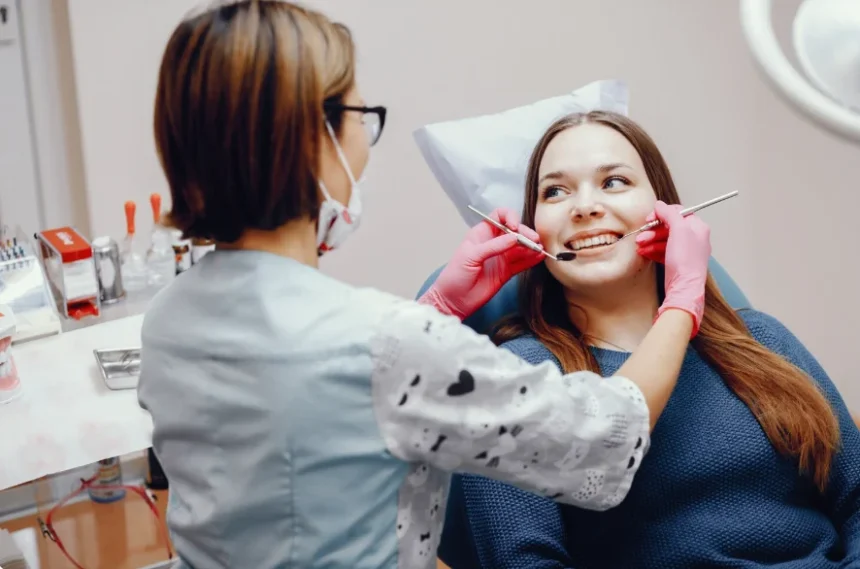
- First visit. Your dentist checks your teeth, gums, and bite. X-rays or scans show bone and roots.
- Planning. You talk about your goals, budget, and time. You review photos or models of possible outcomes.
- Treatment. You may need gum care, extractions, or bone support before placing implants, bridges, or dentures.
- Follow up. You return for fits, bite checks, and repair as needed.
Some offices use lasers for gum shaping, decay removal, or soft tissue repair. These tools can shorten bleeding time and reduce swelling. They also help many people who fear drills feel calmer in the chair.
How To Care For Your New Smile
Cosmetic treatment is only the start. Daily care protects your investment and your health.
- Brush twice each day with fluoride toothpaste.
- Clean between teeth and around implants with floss or other tools.
- Limit sugary snacks and drinks.
- Wear a night guard if you grind your teeth.
- See your dentist at least twice each year.
Routine care is more effective after treatment. Clean, stable teeth and gums last longer. They also feel better living every day.
Taking The Next Step
You do not need to accept gaps, pain, or shame as your new normal. Tooth loss is common. It is also treatable. With the right plan, you can restore strength, comfort, and confidence.
Start by scheduling a full exam. Bring your questions. Ask about all options. Ask about costs and timelines. Then choose the path that lets you eat, speak, and smile without fear.