






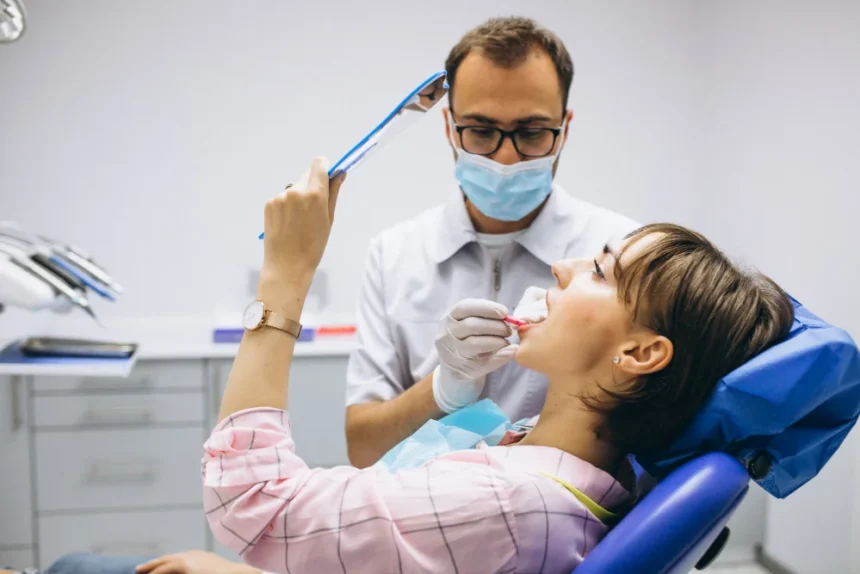
You deserve dental care that protects your health and your wallet. Preventive dentistry does both. It finds small problems before they turn into root canals, tooth loss, or emergency visits. Regular cleanings, exams, and X‑rays let your Juno Beach dentist see what you cannot see at home. Tiny cracks, early decay, and gum infection often stay quiet. Then they suddenly demand big treatment and big money. You can avoid that. You lower your risk when you keep routine visits, brush and floss each day, and listen when your dentist points out early warning signs. Simple steps today can stop painful, costly work later. This guide explains how preventive care works, what your dentist looks for, and how you can take control. You get clear steps. You get straight answers. You keep more of your teeth and your savings.
What Preventive Dentistry Really Means
Preventive dentistry is simple. You and your dentist work together to stop trouble early. You do daily care at home. Your dentist checks your mouth on a set schedule and treats small problems right away.
Core parts include:
- Routine exams and cleanings
- X‑rays on a set schedule
- Fluoride treatments
- Sealants for children and some adults
- Coaching on brushing, flossing, and food choices
The goal is plain. You keep teeth, gums, and bone strong so you avoid pain, missed work, and big bills.
How Dentists Spot Problems Early
During a preventive visit, your dentist and hygienist use sight, touch, and tools to find small changes. Nothing is random. Each step checks for early warning signs.
They watch for:
- Color changes that show early decay
- Soft spots in enamel
- Red or swollen gums that show gum disease
- Receding gums that expose roots
- Wear from grinding or clenching
- Loose teeth or shifting bite
Next, they use X‑rays to see between teeth and under fillings. They can catch a cavity when it is still small and shallow. They can also see bone loss and infections before you feel pain.
Small Problems Versus Big Problems
One small cavity treated with a filling costs far less than a root canal and crown. Gum bleeding treated with a cleaning plan costs far less than surgery or tooth loss. Routine care looks boring. Still, it protects you from harsh choices later.
| Condition | Detected Early | Detected Late |
|---|---|---|
| Tooth decay | Simple filling | Root canal and crown or extraction |
| Gum disease | Deep cleaning and home care plan | Surgery, tooth loss, dentures, or implants |
| Cracked tooth | Bonding or small crown | Breakage, infection, extraction |
| Teeth grinding | Night guard and bite check | Fractures, jaw pain, worn teeth |
This pattern is clear. Early care is simpler. Late care is complex and costly.
How Often You Should Go
Most people need a checkup and cleaning every six months. Some need visits every three or four months. Your dentist sets the schedule based on your risk.
You are at higher risk if you:
- Smoke or use tobacco
- Have diabetes
- Have a history of gum disease
- Have many fillings or crowns
- Snack on sugar between meals
- Have a dry mouth from medicines
The Centers for Disease Control and Prevention explains how health conditions and habits change your risk for tooth decay and gum disease. You can use that knowledge to plan your visits.
What Happens During a Preventive Visit
You can expect three main steps.
First, the hygienist cleans your teeth. They remove plaque and tartar that brushing and flossing miss. They check your gums and measure pockets around each tooth.
Second, you may get X‑rays based on your schedule. Children and adults with high risk need them more often. Low-risk adults need them less often.
Third, the dentist checks your teeth, gums, tongue, and cheeks. They may also check your jaw and bite. They look for early signs of oral cancer. They then explain what they see in clear words and outline the next steps.
How You Can Help At Home
Preventive care does not stop when you leave the office. Your habits at home carry most of the load.
Focus on three daily steps:
- Brush two times a day with fluoride toothpaste
- Floss once a day to clean between teeth
- Drink water and limit sugary drinks and snacks
You can also protect your mouth by:
- Wearing a mouthguard for sports
- Using a night guard if you grind your teeth
- Not sharing utensils that spread cavity germs to children
Talking With Your Dentist About Costs
Money stress is real. You should talk about it. A good dentist respects your budget and offers options.
You can ask:
- What needs care now and what can wait
- What each option costs over time
- How insurance covers preventive visits
- How to spread needed care over several visits
Early, honest talks help you plan. They also keep you from avoiding care until pain forces a rushed choice.
Key Takeaways You Can Use Today
You can act now with three simple moves.
- Schedule your next routine visit before you leave the office
- Set a reminder to brush and floss at the same time each day
- Ask your dentist to explain your risk level and best visit schedule
You do not need perfect teeth to start. You only need the next step. Preventive dentistry turns small, hidden problems into clear, manageable fixes. That protects your mouth, your time, and your money.