







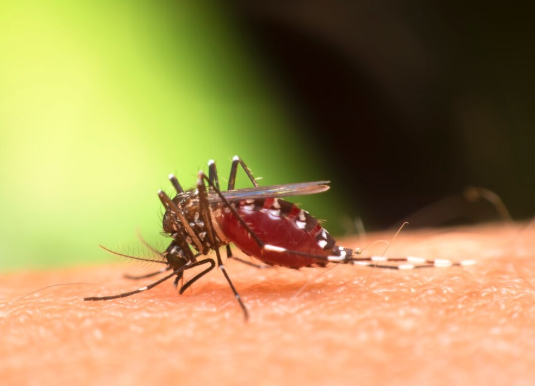
Malaria continues to be a major global health challenge, particularly in regions where the disease is endemic. Despite significant progress in reducing cases and deaths, certain countries remain heavily burdened by malaria. These nations are implementing diverse strategies to combat the disease, ranging from preventive measures to innovative treatments. Here’s a look at the top five malaria-endemic countries and their current response strategies.
1. Nigeria
Nigeria bears the highest malaria burden globally, accounting for a significant proportion of cases and deaths. The country’s response strategies focus on scaling up preventive measures and improving access to treatment.
- Insecticide-Treated Bed Nets (ITNs): Nigeria has distributed millions of ITNs to households, particularly in rural areas, to protect individuals from mosquito bites during nighttime.
- Seasonal Malaria Chemoprevention (SMC): Targeting children under five, SMC involves administering antimalarial drugs during peak transmission seasons to reduce infection rates.
- Malaria Vaccine Rollout: Nigeria has recently introduced the R21 malaria vaccine, aiming to protect young children from severe malaria.
- Community Engagement: Public awareness campaigns educate communities about malaria prevention and the importance of early treatment.
Despite these efforts, challenges such as drug resistance, funding gaps, and limited healthcare infrastructure hinder progress.
2. Democratic Republic of Congo (DRC)
The DRC is another high-burden country, with malaria being a leading cause of illness and death. The country’s vast size and remote regions make malaria control particularly challenging.
- Integrated Vector Management: The DRC employs a combination of ITNs, indoor residual spraying (IRS), and larval source management to reduce mosquito populations.
- Improved Diagnostics: Rapid diagnostic tests (RDTs) are widely used to ensure timely and accurate malaria detection.
- Access to Treatment: Artemisinin-based combination therapies (ACTs) are the standard treatment for malaria, with efforts to expand their availability in underserved areas.
- Surveillance Systems: Strengthening malaria surveillance helps track cases and guide intervention strategies.
Conflict and displacement in the DRC complicate malaria control efforts, highlighting the need for sustained international support.
3. Uganda
Uganda has one of the highest malaria transmission rates in the world, with the disease affecting millions annually. The country’s response strategies emphasize prevention, treatment, and research.
- Mass ITN Campaigns: Uganda regularly distributes ITNs to households, aiming for universal coverage.
- Indoor Residual Spraying: IRS is implemented in high-risk districts to reduce mosquito populations.
- Malaria Vaccine Trials: Uganda has been involved in clinical trials for malaria vaccines, contributing to global research efforts.
- Community Health Workers: Trained health workers in rural areas provide malaria education, diagnosis, and treatment.
Uganda faces challenges such as insecticide resistance and funding constraints, but its commitment to innovation offers hope for progress.
4. Mozambique
Mozambique experiences high malaria transmission rates, particularly in rural and coastal areas. The country’s response strategies focus on strengthening healthcare systems and community-based interventions.
- Integrated Malaria Control: Mozambique combines ITNs, IRS, and environmental management to reduce transmission.
- Malaria in Pregnancy Programs: Intermittent preventive treatment (IPTp) is provided to pregnant women to protect them and their unborn children from malaria.
- Mobile Health Clinics: Mobile clinics bring malaria services to remote communities, improving access to diagnosis and treatment.
- Partnerships: Mozambique collaborates with international organizations to fund and implement malaria control programs.
Climate change and natural disasters pose additional challenges to malaria control in Mozambique.
5. India
India is the only non-African country among the top malaria-endemic nations, with cases concentrated in rural and tribal areas. The country’s response strategies focus on elimination goals and innovative approaches.
- National Malaria Elimination Program (NMEP): India aims to eliminate malaria by 2030 through targeted interventions and robust surveillance.
- Use of Long-Lasting Insecticidal Nets (LLINs): LLINs are distributed in high-risk regions to protect vulnerable populations.
- Digital Tools: India leverages technology for malaria surveillance and data-driven decision-making.
- Community-Based Interventions: Local health workers play a key role in educating communities and delivering malaria services.
India’s diverse geography and socioeconomic disparities require tailored approaches to malaria control.
Conclusion
The top malaria-endemic countries are implementing a range of strategies to combat the disease, from preventive measures like ITNs and IRS to innovative solutions such as vaccines and digital tools. While progress is being made, challenges such as funding gaps, resistance, and healthcare infrastructure limitations persist. Continued investment, international collaboration, and community engagement are essential to achieving global malaria control and elimination goals. By learning from these countries’ experiences, the global health community can strengthen efforts to reduce the burden of malaria worldwide.