







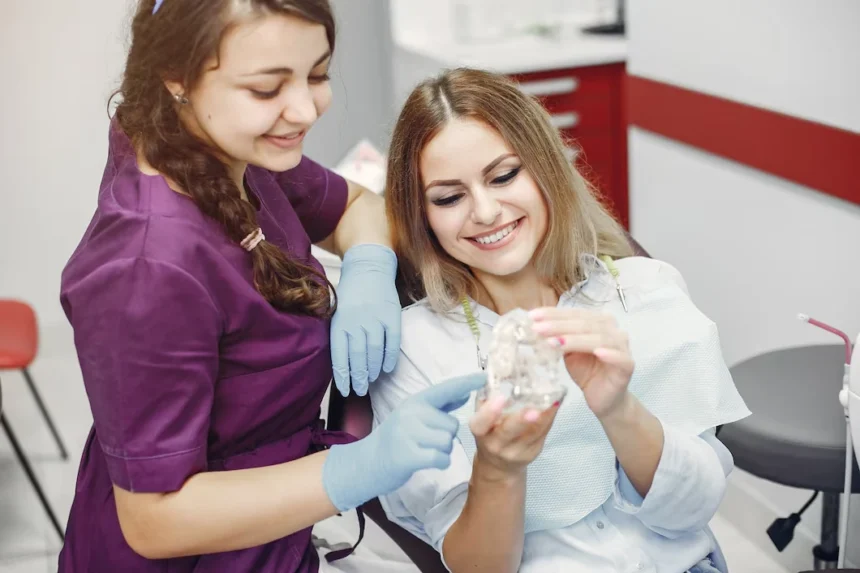
You might be thinking about fixing a chipped tooth, whitening a smile that has dulled over time, or closing a gap that has bothered you for years, and at the same time wondering if cosmetic care is only about appearance. That concern is more common than most people realize. When your teeth do not look or feel right, it can affect how you eat, how you speak, and even how often you smile. The good news is that working with a cosmetic dentist in Skokie, IL often does more than improve looks. In many cases, cosmetic treatment supports comfort, function, and better habits, which can all help protect your oral health over time.
That is really the heart of it. How cosmetic dentistry supports long term oral wellness comes down to more than surface changes. The right treatment can make teeth easier to clean, reduce uneven wear, restore damaged areas, and give you a stronger reason to stay on top of daily care. When you see your smile as worth protecting, your routine often changes with it.
Why can cosmetic dental care affect more than your smile?
It is easy to assume cosmetic treatment is separate from health, but the line is not always so clear. A cracked front tooth may seem like a visual issue until it starts trapping food or becomes more likely to break further. Worn teeth may look shorter, but they can also change your bite and place strain on other teeth. Even small alignment issues can create tight spaces where plaque collects, making brushing and flossing harder than it should be.
Because of this tension, you might wonder whether improving appearance is worth the cost and effort. In many cases, the answer depends on the reason behind the treatment and the condition of your mouth now. A well planned veneer, bonding treatment, crown, or aligner case can help protect enamel, improve bite balance, and support cleaner tooth surfaces. That is one reason many people begin with a cosmetic goal and end up with a healthier daily routine.
Research also matters here. Better materials and methods have helped dentists create restorations that are stronger, more natural looking, and more durable than older options. The National Institute of Dental and Craniofacial Research explains ongoing progress in dental materials research, which helps support restorations that hold up well under normal use.
What problems can happen when cosmetic concerns are left alone?
Not every cosmetic issue turns into a health problem, but some do. A small chip can grow into a larger fracture. Staining may not be harmful on its own, yet deep discoloration can sometimes hide areas that should be examined. Crooked teeth can create cleaning challenges that raise the risk of gum irritation and decay. Missing teeth can shift bite pressure onto nearby teeth, and that often leads to wear in places you would not expect.
Then there is the emotional side, which should not be brushed aside. If you avoid smiling, cover your mouth when speaking, or put off dental visits because you feel embarrassed, that can lead to delayed care. And when care is delayed, simple issues can become bigger and more expensive. So where does that leave you? It leaves you with a helpful question to ask. Is this only about appearance, or is your mouth telling you it needs support?
Daily care still matters most. The Centers for Disease Control and Prevention shares practical oral health tips for adults, including brushing with fluoride toothpaste, cleaning between teeth, and keeping up with routine dental visits. The National Institute on Aging also offers advice on taking care of your teeth and mouth, which is especially useful if age, dry mouth, or medical conditions are affecting your oral health.
Which cosmetic dentistry options can support long term oral wellness best?
The best option depends on what is happening in your mouth, not just what shows in the mirror. Teeth whitening can refresh your smile, but it will not correct damage or bite issues. Bonding can repair small chips and smooth rough edges that collect plaque. Veneers can reshape worn or uneven teeth when planned carefully. Clear aligners can improve spacing and crowding, which may make home care easier. Crowns can restore strength to teeth that are cracked or heavily worn.
This is where cosmetic dental treatment becomes practical, not just visual. When treatment improves structure, fit, and cleanability, it can support long term comfort and reduce the chance of future problems. A trusted general and cosmetic dentist should always look at the health of your gums, the way your teeth come together, and the condition of your enamel before recommending any cosmetic change.
How does professional cosmetic care compare with doing nothing or trying quick fixes?
| APPROACH | SHORT TERM APPEAL | LONG TERM ORAL WELLNESS IMPACT |
| Ignore the issue | No upfront cost or time | Small chips, wear, or crowding may worsen and become harder to treat later |
| Store bought cosmetic fix | Lower cost and easy access | May not fit well, may irritate gums, and usually does not address bite or structural concerns |
| Professional whitening | Brighter smile with guided care | Can improve confidence, though it works best when paired with healthy enamel and routine care |
| Bonding, veneers, aligners, or crowns from a qualified dentist | Higher upfront planning and cost | Can improve appearance, function, cleanability, and protection when chosen for the right reasons |
What can you do right now if you want a healthier and better looking smile?
1. Start with the reason, not the procedure. Before choosing whitening, veneers, or aligners, pay attention to what is bothering you most. Is it color, shape, pain, crowding, or wear? That answer helps guide the right treatment and can prevent spending money on something that does not solve the real issue.
2. Ask how the treatment supports health over time. A smart question during any consultation is this: Will this make my teeth easier to clean, stronger, or less likely to wear down? If the answer is yes, you are more likely looking at care that supports long term oral health through cosmetic dentistry, not just a quick visual change.
3. Protect the result with daily habits. Even the best cosmetic work needs good maintenance. Brush twice a day with fluoride toothpaste, clean between your teeth every day, limit tobacco use, and keep regular checkups. Cosmetic care works best when it becomes part of a larger plan for oral wellness.
Could the right cosmetic dentist help you protect your smile for years?
If you have been treating your smile concerns as something separate from your health, it may be time to look at the bigger picture. Cosmetic improvements can do more than change photos or first impressions. They can restore damaged teeth, support a better bite, and help you care for your mouth with more ease and confidence. And that can make a real difference over the years.
If you are considering care from a general and cosmetic dentist, ask for an evaluation that looks at both appearance and function. The right plan should help you feel more comfortable now and protect your smile well into the future.
