







You might be watching your teenager in the mirror, turning their head from side to side, wondering if their teeth look “weird,” and feeling that mix of concern and confusion that comes with parenting a growing child. Maybe a teacher mentioned braces, or your teen is suddenly hiding their smile in photos. You know you should “get it checked” by a dentist in Concord MA, yet the world of orthodontics feels technical, expensive, and full of unknowns.
At the same time, you probably sense there is a “before” and “after” to this decision. Before orthodontic treatment, there are crowding issues, bite problems, maybe some teasing at school. After treatment, you hope for a healthier mouth, a more confident smile, and fewer dental problems down the road. Between those two points sits a long road of appointments, costs, and choices you are being asked to make for your child.
This is where a trusted family dentist can quietly become your guide. A family dentist helps you understand whether treatment is needed, when to start, which options fit your teen’s life, and how to protect their teeth through every stage. You do not have to navigate it alone. That is the heart of what follows. You will see how a family dentist supports your teen medically and emotionally, how to weigh options, and what you can do right now to make the process calmer for everyone.
Why does orthodontic treatment feel so overwhelming for parents?
Orthodontics is more than straightening teeth. It affects how your teen eats, speaks, cleans their teeth, and even how they see themselves. Because of this, decisions can feel heavier than “metal or clear braces.” You might worry about pain, cost, time away from school, or whether your teen will actually cooperate with the plan.
The American medical community recognizes that adolescence is a high risk time for dental problems. Data from the National Institute of Dental and Craniofacial Research shows that many teens already have permanent teeth affected by cavities, often in combination with crowding or misalignment. You can review some of this data on adolescent dental caries statistics. When you add braces or aligners to the mix, daily care becomes even more important, which can be stressful if your teen is already reluctant to brush or floss.
There is also the emotional side. Teens are sensitive to how they look. Braces may feel embarrassing at first, or aligners may feel like “one more thing” they can forget. You might worry that if they do not follow directions, you will waste time and money or risk damage to their teeth. All of this creates a quiet tension at home. Do you push for treatment now, wait a few years, or skip it altogether?
So where does a family dentist fit into this picture?
How does a family dentist guide your teen before, during, and after braces?
Your family dentist is often the first professional who notices subtle crowding, bite issues, or jaw growth patterns. During routine checkups, they can track how your teen’s teeth come in and how their bite is developing. They know your child’s dental history, personality, and habits, which means they can give more tailored advice than a one-time consultation somewhere new.
When they suspect that orthodontic treatment would help, they explain why in plain language. They might show you how misaligned teeth are harder to clean, raising the risk of cavities and gum problems, or how an overbite or underbite can wear down teeth over time. You can explore more about the goals and types of orthodontic care through resources such as MedlinePlus on orthodontia, which many family dentists reference when explaining options.
Once you understand the “why,” your dentist can help with the “when.” Some teens need early intervention. Others benefit from waiting until most adult teeth are in. A family dentist stands in that middle space, watching growth and helping you avoid both unnecessary early treatment and delayed care that becomes more complex later.
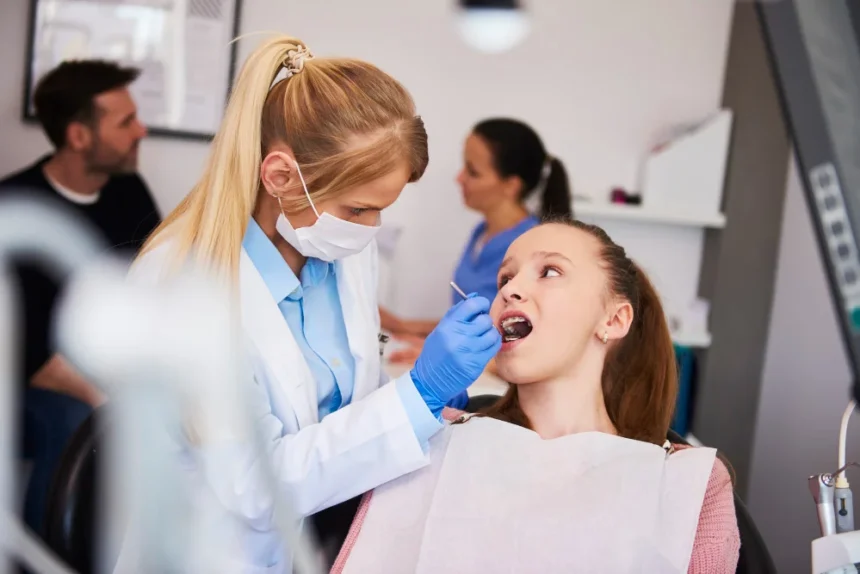
When your teen is ready, the dentist either provides orthodontic care themselves or works closely with an orthodontist. In both cases, they stay involved. They monitor for cavities around brackets, gum health, and wear from aligners or appliances. They also help your teen handle very human issues, like sore teeth after adjustments or embarrassment about their appearance.
In many ways, a family dentist supporting teen orthodontics is like a steady anchor. The orthodontist focuses on tooth movement. The family dentist focuses on the long-term health of the whole mouth and the person attached to it.
What are the real tradeoffs of orthodontic treatment for teens?
To make a clear decision, it helps to see both the challenges and the benefits side by side. Orthodontic treatment touches money, time, and your teen’s daily routine. It also affects their future oral health and how they feel about their smile.
National reviews of oral health, such as the Oral Health in America adolescent summary, point out that misaligned teeth and poor oral hygiene in the teen years can echo into adulthood. Problems that seem small now, like crowding or a deep bite, can grow into chronic gum disease or tooth wear if ignored.
The table below compares common concerns with and without orthodontic treatment, to help you see what is really at stake.
Oral hygiene
Crowded teeth stay hard to clean. Higher risk of plaque, cavities, and gum inflammation.
Teeth are aligned for easier brushing and flossing. Family dentist monitors for cavities around appliances.
Dental health costs over time
Possible higher long-term costs for fillings, crowns, or gum treatment due to ongoing damage.
Upfront orthodontic cost, but often fewer major restorative treatments later.
Comfort and function
Bite issues can cause uneven wear, jaw discomfort, or chewing problems.
Bite is adjusted to distribute forces more evenly, often reducing strain and wear.
Self-confidence
Ongoing self-consciousness about smile. Potential impact on social comfort.
Temporary self-consciousness with braces, then long-term increase in confidence for many teens.
Daily routine
Standard brushing and dental visits, but harder to keep some areas clean.
More appointments and cleaning steps. Family dentist coaches your teen through new habits.
Seeing it this way, you can appreciate that the decision is not just cosmetic. It is about how your teen will care for their mouth and carry themselves as they move into adulthood. The role of a family dentist for teen braces is to help you weigh these tradeoffs in a calm, informed way, rather than through fear or pressure.
What can you do right now to support your teen through orthodontic care?
Even if you are still deciding about treatment, there are concrete steps you can take today that will make everything easier later.
1. Schedule a thoughtful evaluation and ask “what if” questions
Start with a routine checkup if your teen has not had one recently. Ask the family dentist to walk you through what they see in your teen’s bite, crowding, and jaw development. Invite “what if” questions. What if we treat now? What if we wait a year? What if we choose aligners instead of braces? A good family dentist will talk through the likely outcomes of each choice, not just the ideal scenario.
Encourage your teen to speak up during this visit. If they are scared of braces, worried about sports, or anxious about pain, those concerns matter. Hearing your dentist respond directly to your teen’s fears can reduce resistance and build trust.
2. Build strong hygiene habits before brackets or aligners go on
Orthodontic treatment does not fix brushing and flossing problems. It magnifies them. Before your teen starts any treatment, work with your family dentist to get basics in place. This might mean practicing with floss threaders, trying an electric toothbrush, or using disclosing tablets that show where plaque is left behind.
Make a simple plan together. For example, brushing after breakfast and before bed, and at least rinsing with water after snacks. The stronger these habits are before braces, the less overwhelming it will feel when there are brackets, wires, or aligner trays to manage.
3. Agree on a home “support plan” for the entire treatment
Treatment goes more smoothly when everyone knows their role. Talk with your teen about what support they actually want from you. Some teens prefer reminders about elastics. Others want you to handle scheduling and insurance, but they want control over daily care.
Work with your family dentist to clarify what success looks like. How many hours per day should aligners be worn? How often should elastics be changed? What foods are off limits with braces? Write this down somewhere visible. Then decide together how you will handle missed instructions. Gentle accountability works better than constant nagging.
Moving forward with more clarity and less pressure
Parenting a teen through orthodontic treatment can feel like one more heavy item on a very full plate. It touches money, time, health, and your child’s self-esteem. That weight is real. At the same time, you do not have to carry it by yourself or figure out every detail in isolation.
A trusted family dentist can be your steady guide through each phase. From deciding whether treatment is truly needed, to choosing the right option, to protecting your teen’s teeth during and after braces, you gain a partner who already knows your family and your values. With that kind of support, orthodontic care becomes less about pressure and more about giving your teen a healthier, more confident future.
The next step is simple. Book a visit with your family dentist, share your questions honestly, and use that time to map out a clear path forward. Even one thoughtful conversation can replace a lot of worry with understanding and a plan you and your teen can feel good about.