







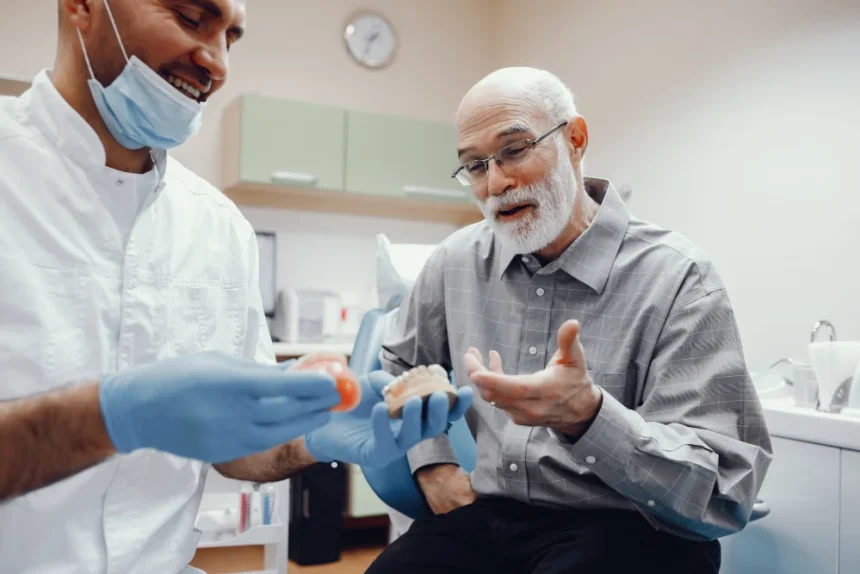
You might be feeling a mix of relief and worry right now. Relief that you finally have Immediate Dentures in Vanier, Ottawa or dental implants in place so you can chew again and feel less self-conscious about your smile. Worry because no one handed you a simple, honest guide on how to actually care for them day after day.
Maybe you are asking yourself things like, “Am I cleaning these enough?” or “What if I ruin them?” or “Why does my mouth feel sore or dry at night?” It can feel like you traded one problem for another. You finally fixed your teeth, and now you are carrying the quiet fear that you might be doing something wrong without knowing it.
The good news is that caring for dentures and implants does not have to be confusing. With a few clear habits, you can protect your investment, avoid painful infections, and keep your smile looking natural. This guide walks through 6 practical tips for caring for dentures and implants properly, explains where people commonly struggle, and gives you simple steps you can start using today.
Why does caring for dentures and implants feel so overwhelming?
Think about what changed. Before treatment, you might have been hiding your smile, avoiding certain foods, or dealing with constant dental pain. After getting dentures or implants, you suddenly have new routines, cleaning products, and follow up visits. It is a big shift for your mouth and your daily life.
There is also the emotional side. You might worry that your dentures will slip in public or that your dental implants could fail. You might feel embarrassed asking “basic” questions, as if you should already know how to take care of them. Many people quietly guess their way through care, hoping it is enough.
So where does that leave you? Often in one of three places. You might under clean because you are afraid of damaging your new teeth. You might over scrub and use harsh products that wear them down. Or you might skip regular care on busy days and tell yourself you will “make up for it later.” All three paths can lead to sore gums, bad breath, and expensive repairs.
What helps is understanding that caring for dentures and dental implants is not about perfection. It is about consistent, gentle routines that protect both the replacement teeth and the gums and bone that support them.
What are the most common problems people face with denture and implant care?
To understand how to care for them, it helps to see what can go wrong when habits slip. Here are a few common patterns.
Problem 1. Soreness, rubbing, and mouth sores
Dentures that are not cleaned well can collect plaque and food, which irritate the gums. Over time, even a well fitting denture can start to rub and create sore spots. With implants, plaque around the implants can inflame the gums, which can lead to bone loss.
Imagine someone who removes their denture only once a day, gives it a quick rinse, and pops it back in. It looks clean on the surface, but microscopic plaque is still there. After a few weeks, they notice red spots, small ulcers, or bleeding. They may blame the denture itself, when the real issue is plaque and pressure.
Problem 2. Bad breath and “plastic taste”
If dentures sit in your mouth 24 hours a day, or if implants are not brushed like natural teeth, bacteria grow quickly. That leads to bad breath and a slimy coating that can make your denture taste strange. People sometimes respond by using strong mouthwashes or very hot water, which can damage dentures or dry the mouth even more.
Problem 3. Dry mouth that makes everything harder
Saliva protects your mouth. When your mouth is dry, dentures can rub more and feel loose, and implants are more at risk because germs are not being washed away. Dry mouth can be caused by medications, health conditions, or even stress. The National Institute of Dental and Craniofacial Research has a helpful overview of dry mouth causes and relief options.
Problem 4. Fear of damaging implants
Dental implants are strong, but the gums and bone around them are not invincible. Some people are afraid to brush too firmly around an implant, so they barely touch the area. This can lead to inflamed gums and infection around the implant, called peri implant disease. On the other side, using very hard brushes or abrasive powders can scratch implant crowns and surrounding teeth.
Once you see these patterns, the path forward becomes clearer. Good care is not about scrubbing harder. It is about gentle, consistent cleaning and protecting the tissues that support your dentures and implants.
How do daily habits differ for dentures vs dental implants?
You might be wondering how your routine should look depending on whether you wear full dentures, partial dentures, or have implants. The core idea is the same. Remove plaque, protect the gums, and avoid anything that warps or scratches the materials.
Daily cleaning
Remove and brush dentures every day with a soft brush and non abrasive cleaner. Rinse after every meal if possible.
Brush at least twice a day with a soft toothbrush and low abrasive toothpaste. Clean around the implant and gumline carefully.
Overnight routine
Remove dentures at night. Soak in a denture solution or plain water. Give your gums time to rest.
Implants stay in. Focus on clean gums and tongue before bed to reduce bacteria while you sleep.
Gum care
Massage gums with a soft brush or cloth after removing dentures to improve circulation.
Clean between implants and neighboring teeth using floss, interdental brushes, or water flossers.
Products to avoid
Hot water, bleach, abrasive toothpaste, or household cleaners that can warp or scratch dentures.
Very abrasive whitening toothpastes and hard brushes that can scratch crowns or irritate gums.
Check ups
Dentist checks fit, relines if needed, and screens for sore spots or infection.
Dentist checks stability of implants, gum health, and bone levels through exam and X rays.
The American Dental Association offers clear guidance on day to day denture care, including soaking, cleaning, and handling, which you can review in their section on how to care for dentures at home. For implants, you can learn more about what they are and how they are placed from the Mayo Clinic’s overview of dental implant surgery and recovery.
6 tips for caring for dentures and implants properly every day
Here are six practical habits that protect both dentures and implants. These form the core of proper denture and implant care for most people.
Tip 1. Treat them like real teeth, not “plastic” or “metal” objects
It helps to stop thinking of dentures and implants as something separate from your mouth. They sit on or in living tissue. Plaque builds on them the same way it does on natural teeth.
For dentures, brush every surface daily with a soft brush and a cleaner made for dentures. Regular toothpaste can be too abrasive. For implants, brush the crowns and surrounding gums the same way you would your natural teeth, with particular attention to the gumline.
Tip 2. Give your gums a rest at night
If you wear removable dentures, your gums need a break. Taking dentures out at night lowers your risk of fungal infections and sore spots. Soak them in a denture solution or clean water while you sleep. Never use hot water, which can warp them.
After removing them, gently brush your gums, tongue, and the roof of your mouth. This improves blood flow and removes plaque that could cause irritation the next day.
Tip 3. Be kind to your mouth when it is dry
Dry mouth makes everything more difficult. Dentures can feel loose, and the risk of implant problems goes up. If your mouth often feels sticky, burning, or you find it hard to swallow dry foods, talk to your dentist or physician about possible causes.
Simple habits can help. Sip water throughout the day. Use sugar free gum or lozenges to stimulate saliva if your dentist approves. Avoid tobacco and limit alcohol and very caffeinated drinks, which can dry the mouth further.
Tip 4. Clean between implants, clasps, and under bridges
With implants and partial dentures, plaque often hides in the small spaces that are hard to see. Use floss, floss threaders, or interdental brushes to clean between implant posts and natural teeth. Many people find a water flosser helpful around implants and under fixed bridges.
This extra step can feel tedious at first, yet it is one of the most powerful ways to protect your implants and the teeth that support partial dentures.
Tip 5. Watch what and how you chew
Both dentures and implants give you back chewing power, but that does not mean everything is safe. Very hard foods, like ice or unpopped popcorn kernels, can crack denture teeth or chip implant crowns. Very sticky foods can pull at partial denture clasps.
Cut tougher foods into smaller pieces and chew on both sides to keep pressure even. If anything hurts or feels unstable while eating, that is a sign to call your dentist rather than just “push through.”
Tip 6. Schedule regular check ups, even if nothing hurts
This is where many people slip. If there is no pain, they assume everything is fine. Yet small problems with fit, bite, or gum health can quietly grow. A denture that is slightly loose today can cause ulcers and bone loss over time. An implant with mild gum inflammation can progress to a serious infection.
Regular visits with a denture and implant dentist allow small adjustments and cleaning to prevent bigger problems. Think of these visits as routine maintenance for a car you depend on every day. You are protecting your comfort, your appearance, and the money you have already invested.
What can you do today to protect your dentures and implants?
Once you know what to do, the next question is often “Where do I start without feeling overwhelmed?” You do not need to change everything overnight. Focus on a few key actions that give you the most benefit.
1. Create a simple morning and night routine
Write down a short checklist and keep it near your bathroom mirror. For example:
-
Morning. Rinse mouth. Brush dentures or implants and natural teeth. Clean between teeth and implants. Rinse again.
-
Night. Remove dentures if you have them. Clean and soak them. Brush gums, tongue, and any implants or natural teeth. Rinse before bed.
A written routine reduces the mental load, so you are not making decisions when you are tired or rushed.
2. Choose the right tools and store them in one place
Gather a soft toothbrush, denture brush if needed, non abrasive cleaner, floss or interdental brushes, and a container for soaking dentures. Keep them together in a small basket. When everything is within reach, you are far more likely to follow through.
If you are unsure which products are safe for your specific dentures or implants, call your dental office and ask. They can often give brand names or types that work well with your materials.
3. Plan your next check up and bring your questions
If you have not seen your dentist in a while, schedule a visit. Use it as a chance to review your cleaning routine, have your bite checked, and ask about any soreness, clicking, or changes you have noticed. Bring a written list of questions so you do not forget them in the chair.
Denture and implant care give you reassurance and help catch problems early, when they are easier and less costly to fix.
You are not supposed to “just know” how to do this.
It is easy to feel like you should already have all of this figured out. You made a big decision, went through treatment, and now you are trying to protect that choice. Feeling unsure or worried does not mean you have failed. It simply means no one has walked you through the details yet.
With consistent habits and the support of a skilled denture and implant dentist, your dentures or implants can stay comfortable, clean, and reliable for many years. Start with one or two changes from these 6 tips for caring for dentures and implants properly, and build from there. Your mouth will tell you when you are on the right track. Less soreness. Fewer worries. More confidence when you smile and eat.
You deserve that kind of ease, and it is absolutely within reach with the right care and support.