







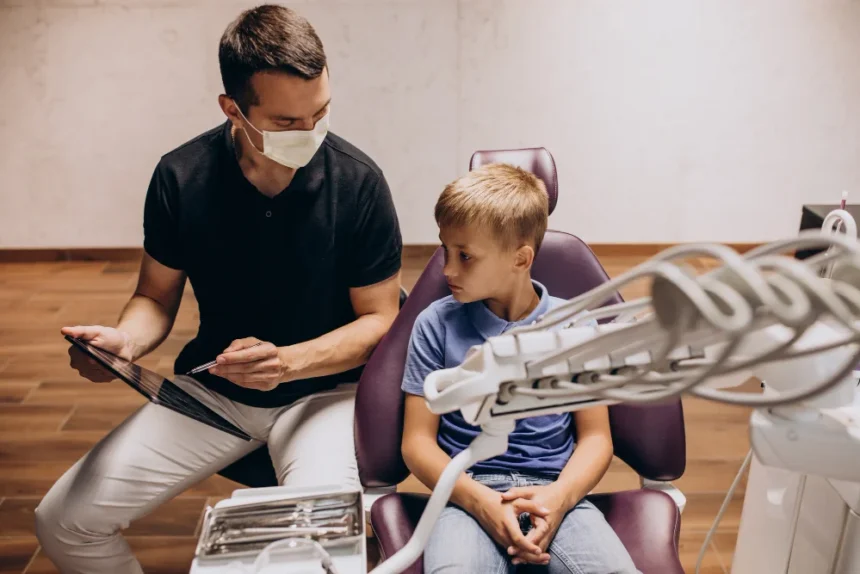
You might be feeling caught between worry and hope right now. Maybe your child’s front teeth are crowding, or your own bite has never felt quite right, and suddenly someone mentions braces or clear aligners or an El Cajon dentist. The questions start piling up. Do you really need treatment? When should it start? Who should you trust? And how do you even begin to sort through all the options without making a choice you regret?
That mix of concern and confusion is very common. Orthodontic care affects more than just how a smile looks. It touches confidence, comfort while eating and speaking, and your budget for years to come. Because of that, you might be wondering where a family dentist fits into all of this and whether they are simply a “tooth cleaner” or a true guide.
In reality, your family dentist is often the steady voice that helps you understand whether orthodontics is needed, which type of treatment makes sense, and when to move forward. You are not expected to know the science. You only need to know how to ask the right questions and how to use your dentist as a partner, not just a provider.
Feeling torn about braces or aligners. How your family dentist becomes your anchor
Orthodontic decisions rarely feel simple. On one side, you see crooked or spaced teeth, maybe a deep overbite, or your child struggling to close their lips comfortably. On the other side, you see the cost of treatment, the time involved, and the fear of making the wrong call.
Here are some of the tensions families often face.
-
“My child’s teeth look crowded, but they are still growing. If I wait, will it get worse?”
-
“The orthodontist recommended two phases of treatment. Is that really necessary or is one phase enough?”
-
“I was told clear aligners could fix my bite. Is that true for my case or just good marketing?”
-
“Our family has a genetic condition affecting teeth. Do we need something different from standard braces?”
Without context, every opinion can feel urgent and absolute. This is where the role of a trusted family dental guide for orthodontics matters. Your dentist knows your mouth and your medical history. They have watched changes over time, seen X-rays evolve, and heard your concerns long before braces entered the conversation.
So where does that leave you when you are standing at the crossroads of “Do we treat now, later, or at all?”
From concern to clarity. How a family dentist evaluates orthodontic needs
A caring family dentist does not rush to say “yes” or “no” to braces. They walk through a process that respects both clinical needs and family realities.
First, they look at function. Are the upper and lower teeth meeting in a way that causes wear, jaw pain, or difficulty chewing? Are there speech sounds that seem harder because of tooth position? Problems like deep overbites, open bites, or crossbites can have long-term effects if ignored.
Second, they look at growth and timing. For children, this is a big piece. Some bite issues benefit from early guidance, such as widening a narrow upper jaw while bones are still developing. Others can safely wait until more permanent teeth are in place. If early treatment is suggested, your family dentist can explain whether it is to solve a current problem or to prevent a more complex one later.
Third, they consider underlying conditions. Some children and adults have differences in tooth development, number, or strength. For example, people with certain genetic conditions, including forms of ectodermal dysplasia, may have fewer or smaller teeth. In these cases, orthodontics is not just about straightening. It becomes part of a larger plan involving restorations, implants, or prosthetics later on. Your family dentist helps coordinate that bigger picture.
Finally, they talk honestly about your priorities. For some families, the main concern is function and comfort. For others, appearance and self-esteem carry just as much weight. Budget and time matter too. A good dentist names these pressures out loud so you can factor them into your decision, instead of feeling guilty for caring about them.
Comparing common orthodontic paths. What your family dentist wants you to weigh
Once a need for treatment is clear, the next question is “Which option fits us best?” Traditional braces, clear aligners, early intervention, or waiting and monitoring all have tradeoffs. Your orthodontic guidance from a family dentist often centers on balancing these tradeoffs, not just choosing the trendiest option.
The table below is a simple way to see how different paths compare. This is not a substitute for an exam, but it can help you frame questions for your dentist and orthodontist.
Traditional braces
Most bite and alignment issues, from mild to complex
Very versatile. Fixed in place, so no “forgetting to wear.” Often best for complex movements.
Visible. Can trap food. Requires steady cleaning and regular adjustments.
Monitors hygiene, warns about white spots and decay, coordinates with orthodontist on any enamel or gum concerns.
Clear aligners
Mild to moderate crowding or spacing. Some bite corrections.
More discreet. Removable for eating and brushing. Often more comfortable.
Requires strong wear habits. Not ideal for every bite problem.
Assesses whether your specific bite is a good candidate. Helps keep gums and enamel healthy during treatment.
Early interceptive care
Growing children with jaw width issues, severe crowding, or crossbites
Can guide growth. May shorten or simplify later treatment.
Often a first phase, not the last. Requires extra visits over more years.
Explains what truly needs early action versus what can safely wait. Tracks growth with X-rays and exams.
Watchful waiting
Borderline cases or very young children
No rush into treatment. Time to see how teeth and jaws develop.
Requires regular checkups. Some problems might become harder to treat if not monitored well.
Sets a plan for checkup frequency, images, and “red flags” that would trigger a referral.
If you want to understand the range of orthodontic tools and timing from a broader perspective, you can explore trusted resources on orthodontics and bite alignment, then bring your questions back to your family dentist for context.
Three steps you can take right now with your family dentist’s support
So what can you do today to move from worry to a thoughtful plan?
1. Schedule an orthodontic focused checkup and ask very specific questions
Instead of a quick “Do we need braces,” ask your family dentist targeted questions such as:
-
“What are the top two functional concerns you see with these teeth or this bite?”
-
“If we do nothing for two years, what is the most likely outcome?”
-
“Is this mainly a cosmetic issue, a functional issue, or both?”
-
“Do you recommend early treatment, or can we safely wait? Why?”
Write the answers down. Clarity often comes from hearing a calm explanation from someone who knows your history, then revisiting those words after the appointment when emotions have settled.
2. Use your family dentist as a second voice when an orthodontic plan is proposed
If an orthodontist presents a plan that feels aggressive, confusing, or expensive, share the written summary with your dentist. Ask:
-
“Do you agree with the main goals of this treatment?”
-
“Are there simpler options that might still meet our most important needs?”
-
“What are the risks of not doing the optional parts of this plan?”
This is not about starting conflict. It is about using your family dental support for braces and aligners as a filter. Your dentist can often explain why certain steps are necessary, which parts are flexible, and how the plan fits your long-term oral health.
3. Protect teeth and gums now, even before orthodontics starts
Whether you move forward with braces soon or decide to wait, strong teeth and healthy gums make every future option easier. Work with your family dentist to:
-
Update X-rays and photos so you have a clear baseline.
-
Address any existing cavities, gum inflammation, or enamel weakness before brackets or aligners go on.
-
Learn brushing and flossing techniques that will still work if braces are added later.
-
Talk about fluoride, sealants, or other protections that reduce the risk of white spots during treatment.
Taking these steps now gives you breathing room. You are not just waiting and worrying. You are preparing, so any future orthodontic choice starts from a healthier place.
Finding confidence in your orthodontic choices with your family dentist by your side
Facing orthodontic decisions can feel heavy. You want to do right by your child or yourself, and the stakes feel high. At the same time, you may not feel ready to argue with experts or sort through conflicting advice alone.
You do not have to. Your family dentist is there to translate jargon into plain language, to weigh risks and benefits with you, and to keep the focus on long-term health, comfort, and confidence. When you use that relationship, orthodontics stops being a rushed reaction and becomes a thoughtful part of your overall care.
You are allowed to ask questions. You are allowed to take time. And with a steady, informed partner in your corner, you are much more likely to choose the orthodontic path that truly fits your life, not just your teeth.