





Technology in general dentistry changes how you feel at every visit. It reduces pain. It shortens recovery. It helps your dentist spot problems early, so you avoid emergencies that shake your life. As a patient, you want clear answers and steady hands. New tools give your dentist sharp images, accurate measurements, and fast test results. That means fewer repeat visits and fewer surprises. It also means treatment that fits your mouth, your schedule, and your budget. If you see a family friendly dentist in Chillicothe OH, you can expect digital X-rays, clear photos, and careful tracking of your health over time. Each tool serves a direct purpose. It protects your teeth. It preserves your smile. It supports your long-term health. You deserve care that feels modern and human. Technology helps your dentist deliver that care with focus and quiet confidence.
Why early detection changes everything
Tooth problems grow in silence. You often feel nothing until decay reaches the nerve or infection spreads. By that time, you face severe pain and higher costs. Modern technology lets your dentist see trouble long before you feel it.
You gain three clear benefits.
-
Smaller fillings instead of root canals
-
Simple cleanings instead of deep cleanings and tooth loss
-
Monitoring instead of rushed emergency visits
Digital X-rays and high-resolution photos reveal decay between teeth, early bone loss, and tiny cracks. These images also use less radiation than older film systems. The Centers for Disease Control and Prevention explains that untreated decay and gum disease can affect eating, speaking, and school or work performance. Early detection reduces that burden for you and your family.
Digital X-rays and photos
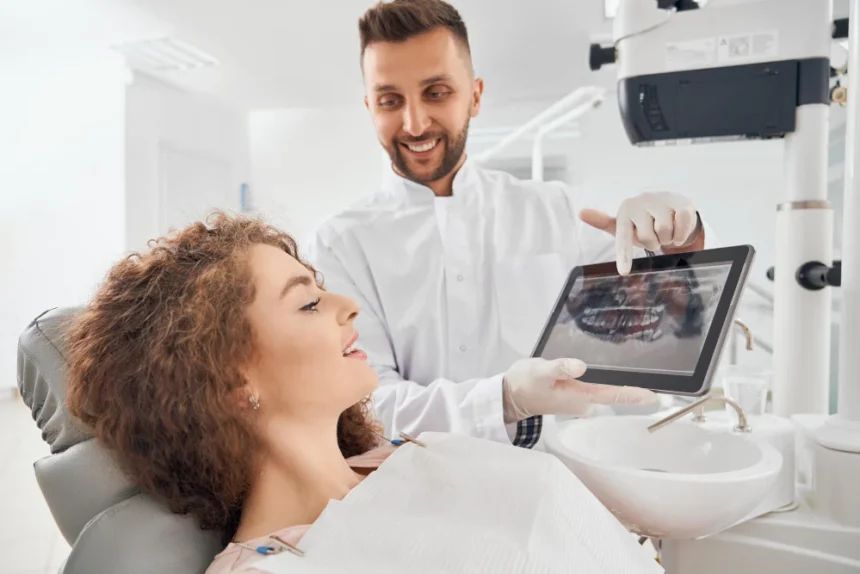
Digital imaging replaces slow film and guesswork. You sit in the chair. Your dentist takes an image. You see the result on a screen in seconds. That speed gives you more time to ask questions and plan next steps.
Digital tools help you through three main steps.
-
Diagnosis. Your dentist spots decay, infection, and bone loss with sharp detail.
-
Planning. Your dentist measures roots, nerves, and jaw height before treatment.
-
Education. You see your own teeth and gums. You understand the reason for each step.
Digital X-Rays Compared With Traditional Film
Image time
Seconds
Several minutes
Radiation exposure
Lower
Higher
Image sharing
Email or secure upload
Mail or physical transfer
Image quality
Easy to enlarge and adjust
Fixed size and contrast
The National Institute of Dental and Craniofacial Research stresses the link between oral health and whole body health. Clear digital records support that link. Your dentist can share images with medical providers when needed. You gain care that respects your full health story.
Intraoral cameras and patient trust
Intraoral cameras are tiny cameras that fit inside your mouth. They show real-time video on a screen. You see the same view your dentist sees. That shared view builds trust.
You can watch three things in detail.
-
Old fillings that leak or crack
-
Early gum changes near crowns and bridges
-
Wear from clenching or grinding
When you see a problem, you feel less fear and more control. You understand why a small repair today can prevent a larger one later. You also see the results after treatment, which confirms that your time and money produced a clear change.
Lasers, comfort, and faster healing
Laser tools now assist with soft tissue work and some decay removal. They often reduce the need for numbing shots. They can also reduce bleeding during gum treatment.
Laser use can help you in three ways.
-
Less sensation during procedures
-
Reduced swelling afterward
-
Cleaner treatment sites that support healing
For children, people with strong fears, or anyone with a tight schedule, these changes matter. Shorter visits and smoother recovery mean less time away from school or work and fewer nights of poor sleep.
3D imaging and precise planning
Some general dentists use 3D cone beam scans. These images show teeth, bone, nerves, and sinuses in three dimensions. That depth helps your dentist plan extractions, implants, and complex root canals with strong accuracy.
You gain three protections from this planning.
-
Better placement of implants and posts
-
Reduced risk of nerve injury
-
Clear knowledge of jaw strength before treatment
With clear maps of your mouth, your dentist can choose the safest path. That care reduces surprises and repeat work.
Digital records and long term tracking
Electronic dental records keep your history in one place. Images, notes, and treatment plans stay linked to each visit. Patterns in your health become easier to see.
This record helps your dentist track three long-term changes.
-
Gum health across many years
-
Tooth wear from grinding, diet, or habits
-
Response to treatments like night guards or fluoride
When you move, digital records can transfer quickly. You avoid repeat X-rays and missing information. You also gain better coordination between your dentist and your doctor when conditions like diabetes or heart disease affect your mouth.
Teledentistry and access to care
Teledentistry uses secure video visits for certain needs. Your dentist can check healing after a simple procedure, review X-rays, or discuss pain and swelling. While some problems still need an in-person exam, remote visits can guide your next step.
Teledentistry supports you in three common situations.
-
Follow up checks after surgery
-
Second opinions before large treatment
-
Screening for urgent problems when travel is hard
This option can be helpful for older adults, people in rural towns, and parents with young children. You receive clear advice without long trips or time in waiting rooms.
Using technology to protect your family
General dentistry technology is not about fancy tools. It is about your outcomes. You feel less pain. You face fewer surprises. You keep a more natural tooth structure throughout life.
You can take three simple steps today.
-
Ask which digital tools your dentist uses for exams and treatment
-
Request to see your images on the screen and have them explained
-
Keep regular checkups so small problems stay small
When you choose a practice that uses modern, proven tools with care, you protect your health and your peace of mind. You give your family a strong base for eating, speaking, and smiling with steady comfort.