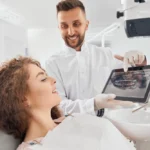






3D printing is changing how you receive dental restorations. You no longer need long waits, repeat visits, or uncomfortable molds. Instead, you can get crowns, bridges, and other restorations that fit with sharp accuracy. A Long Island, NY dentist can now scan your teeth, design your restoration on a computer, and print it in the office. This process reduces guesswork. It also lowers the risk of broken or poorly fitting work. As a patient, you gain three clear benefits. You spend less time in the chair. You keep more of your natural tooth. You walk out with a stronger, more natural looking smile. This change in care is not flashy. It is steady, quiet progress that protects your comfort, health, and trust.
How 3D Printing Works In Your Mouth
You feel the change most on the day of treatment. The steps are simple.
-
Your dentist scans your teeth with a small camera.
-
Next your dentist shapes a digital model on a computer screen.
-
Then a 3D printer builds your crown or bridge layer by layer.
The printer uses strong materials that match tooth color. You avoid trays of goop and long lab delays. You also see your tooth on the screen. That brings clarity. It helps you ask clear questions about shape and fit.
The National Institute of Dental and Craniofacial Research explains how digital tools support better planning for teeth and gums.
Benefits You Notice Right Away
3D printed restorations give you three main gains.
-
Less time away from work and family. Many restorations now need only one visit.
-
Less drilling. Tighter fit means your dentist can remove less tooth.
-
Less stress. You leave with a solid result instead of a short-term fix.
Old methods often required a temporary crown. That piece could fall off, crack, or feel rough. With 3D printing, many patients skip temporaries. You go from damaged tooth to finished crown in one appointment. That reduces pain and cuts the risk of new decay under a loose temporary.
3D Printing Versus Traditional Restorations
The table below compares common parts of your experience.
Impression
Thick trays in your mouth
Quick digital scan
Number of visits
Two or more visits
Often one visit
Time in chair
Longer shaping and fitting
Shorter, more focused work
Temporary crown
Common and sometimes fragile
Often not needed
Fit
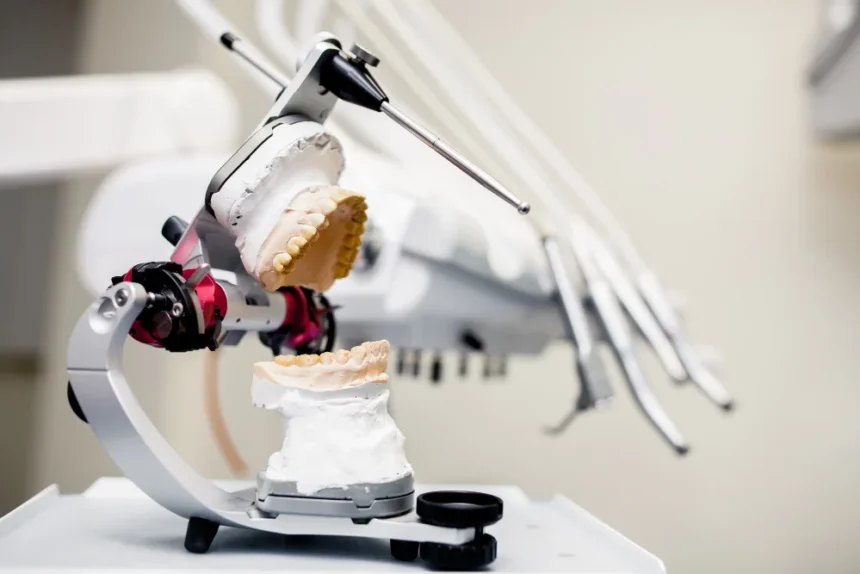
Relies on stone models
Based on precise digital scan
Comfort after treatment
More bite adjustments
Often fewer bite adjustments
This change does not remove the need for skill. Your outcome still depends on your dentist’s training and care. Yet the tools now help that skill reach full strength.
What 3D Printing Can Create For You
3D printing now supports many common treatments in a general practice.
-
Crowns. Restore broken or decayed teeth with custom caps that match nearby teeth.
-
Bridges. Replace missing teeth with fixed teeth that connect to neighbors.
-
Onlays and inlays. Repair larger cavities while keeping more healthy teeth.
-
Guides for implants. Help place implant posts in a planned position.
-
Night guards. Protect teeth from grinding during sleep.
Each piece can be shaped for your bite, your smile line, and your speech pattern. That level of fit helps you chew, speak, and smile with confidence.
Safety, Materials, and Your Health
3D printed restorations use tested materials. These include resins and ceramics that meet strict standards. Your dentist chooses the material based on where the tooth sits in your mouth and how hard you bite.
You can ask three key questions.
-
What material will you use for my crown or bridge?
-
How long does this type of material usually last?
-
How will I clean and care for this restoration?
The U.S. Food and Drug Administration gives clear guidance on dental materials and safety. You can review the FDA dental devices page if you want more details before treatment.
Care At Home After A 3D Printed Restoration
Your new tooth still needs daily care. You protect your investment with three simple habits.
-
Brush twice each day with fluoride toothpaste.
-
Clean between teeth at least once each day.
-
See your dentist for regular cleanings and exams.
Right after treatment, you may feel slight soreness. You can eat soft food and chew on the opposite side at first. If your bite feels off after the numbness wears off, call the office. A small adjustment prevents bigger problems, such as jaw pain or cracked teeth.
Questions To Ask Before You Agree To Treatment
You have the right to clear answers. Before you agree to a 3D printed crown or bridge, you can ask.
-
Is a 3D printed restoration the best choice for my tooth?
-
What are my other options?
-
How much time will I spend in the chair?
-
What will this cost, and how does insurance handle it?
-
What results should I expect in the first week and in the first year?
These questions protect your trust. They also help your dentist match the plan to your health, budget, and schedule.
Looking Ahead To Your Next Dental Visit
3D printing does not turn dentistry into science fiction. It turns it into clear, careful work that respects your time and your body. When you need your next crown or bridge, you can expect more comfort, more accuracy, and less waiting. You can sit in the chair knowing that new tools support your care and that your voice still guides every step.