







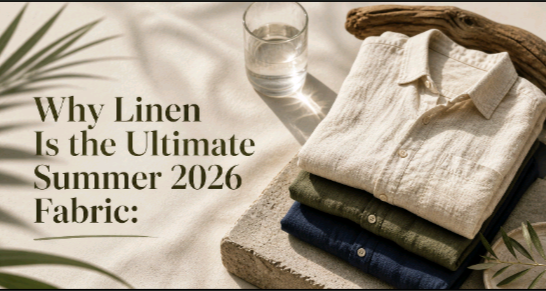
Indian summers have a way of making you rethink everything in your wardrobe. The heat is not just uncomfortable, it is relentless, and the clothes you wear either work with your body or against it. This is exactly why linen has held its ground as a summer staple for centuries and continues to dominate conversations around warm-weather dressing in 2026.
Linen is not a trend that arrived recently and will disappear next season. It is a fabric with deep agricultural roots, a production process that asks relatively little of the environment, and a wearing experience that is genuinely difficult to replicate with synthetic alternatives. For anyone building a summer wardrobe with some intention behind it, linen is less of a choice and more of a logical conclusion.
If you are looking to explore quality options before building out your warm-weather wardrobe, browsing a well-curated selection of Linen Fabric is a good place to start understanding what the material actually offers across different weights and weaves.
What Makes Linen Genuinely Different From Other Summer Fabrics
Most fabrics marketed as summer-friendly are working against the same basic problem: heat and moisture build up against the skin and create discomfort over the course of a long day. Linen solves this problem differently from cotton, polyester, or blended alternatives, and the difference is noticeable from the first hour of wear.
-
Linen fibres are hollow, which allows air to move through the fabric continuously rather than trapping heat close to the body during high-temperature hours.
-
The fabric absorbs moisture quickly and releases it just as fast, which means sweat does not sit on the skin and create that heavy, damp feeling that ruins most summer outfits by midday.
-
Linen has a natural texture that keeps the fabric from lying flat against the skin, creating a small but meaningful layer of ventilation even in still air.
-
It gets softer with every wash without losing its structural integrity, which means a well-made linen piece improves gradually over time rather than degrading with regular use.
-
Linen is naturally resistant to bacteria and odour, making it a dependable choice for long days where changing outfits is simply not an option.
How to Style Linen for the Indian Summer
Linen has a visual quality that is relaxed by nature, and styling it well means working with that quality rather than trying to override it. The fabric wrinkles, it drapes loosely, and it carries a lived-in texture that is part of its identity. Understanding how to use these characteristics across different occasions is what separates a wardrobe built around linen from one that just occasionally includes it.
Linen for Casual and Everyday Wear
For casual dressing, linen shirts in earth tones, off-whites, and washed blues are doing a lot of heavy lifting in summer 2026. A relaxed linen shirt worn open over a plain inner, or buttoned up with the sleeves rolled, covers most situations without requiring much deliberate thought. Linen co-ord sets have also gained significant traction as a casual option because they remove the effort of matching separates while still looking considered and intentional.
Linen for Semi-Formal and Work Settings
Linen has made steady progress into semi-formal and workplace dressing, particularly in industries and cities where dress codes have relaxed meaningfully over the past few years. A well-tailored linen blazer worn over a solid shirt reads as put-together without looking like it is attempting to be a traditional formal outfit.
Linen for Evening and Social Occasions
Evening dressing in linen works best when the fit is doing most of the heavy lifting. Because the fabric already carries visual texture and movement, a well-fitted linen shirt or kurta in a deeper tone like navy, forest green, or burgundy can read as genuinely dressed up without any additional effort.
Linen and Sustainable Fashion: Why the Connection Matters
Sustainability in fashion is a word that gets used broadly and often without much grounding in how a fabric actually behaves from field to finished garment. Linen is one of the few materials where the sustainability case is built on straightforward agricultural and production realities rather than brand positioning.
Where Linen Comes From
Linen is made from the flax plant, which is one of the more environmentally low-maintenance crops used in textile production today. Understanding what goes into its cultivation helps explain why it consistently ranks well against other natural fibres on environmental metrics.
-
Flax grows well in poor soil conditions that are not suitable for food crops, which means it does not compete with agricultural land used for essential produce.
-
The plant requires significantly less water than cotton across its full growth cycle, making it a more viable option in regions where water availability is a long-term concern.
-
Flax is largely cultivated without heavy pesticide use in traditional farming regions, which reduces chemical runoff into surrounding soil and water.
-
The entire flax plant is usable in some form, which means the production process generates minimal agricultural waste compared to most other natural fibres.
How Linen Fits Into a More Considered Wardrobe
Buying linen is not just a fabric choice, it is also a durability choice that has a direct effect on how much a wardrobe consumes over time. Linen pieces last significantly longer than cotton or synthetic equivalents when cared for correctly, which reduces the frequency of replacement purchases over several seasons. A linen shirt bought this summer, if washed and stored with basic care, can remain a functional and presentable part of a wardrobe for years without showing meaningful wear or losing its shape.
Comparing Linen With Other Natural Fabric Alternatives
Linen is not the only natural fabric worth considering for sustainable summer dressing, and placing it in context alongside other options gives a more complete picture of where it sits in the broader fabric market. Hemp Fabric is gaining considerable attention as a comparable alternative, and for legitimate reasons rooted in its agricultural profile. Hemp requires even less water than flax, grows quickly without depleting soil nutrients, and produces a fibre that is similarly durable and breathable.
How to Care for Linen So It Lasts
Linen is a low-maintenance fabric, but a few consistent habits in washing and storage make a significant difference in how long a piece retains its quality. Most linen care mistakes come from treating it the same way as cotton, which leads to unnecessary shrinkage or fibre stress over time.
Washing and Drying
Linen should be washed in cool or lukewarm water rather than hot, because high temperatures cause the fibres to contract and can lead to shrinkage that is difficult to reverse. Machine washing on a gentle cycle is acceptable for most linen garments, but hand washing is preferable for structured pieces like blazers or trousers where maintaining the original shape matters. Linen dries best when laid flat or hung in shade rather than tumble dried, because mechanical heat and agitation break down the fibre quality faster than air drying does.
Storing Linen Between Seasons
Linen should be stored clean, because any residual moisture or organic matter left in the fabric over long periods can encourage mildew or attract insects. Folding linen loosely rather than pressing sharp creases into it prevents permanent fold lines from forming across the fabric surface. Storing linen in breathable cotton bags rather than sealed plastic keeps air circulating around the garment and maintains the fabric’s natural quality through extended periods of storage.
Linen’s position as the fabric of choice for Indian summers in 2026 is not built on seasonal momentum alone. It is built on a combination of genuine functional performance, a production background that holds up to environmental scrutiny, and a styling versatility that covers more of the summer calendar than almost any other single fabric. For anyone thinking seriously about what goes into their wardrobe this season, linen is the most complete answer the market currently has to offer.