







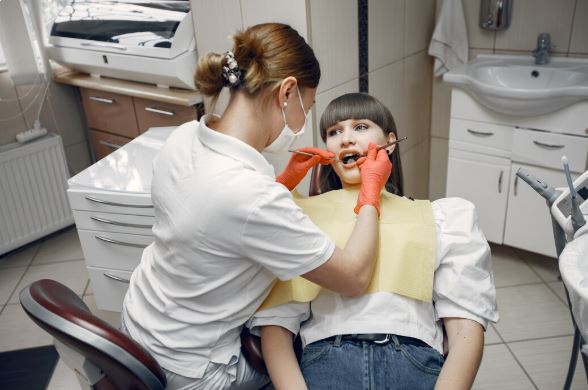
Good communication with your dentist protects your health and your peace of mind. When you speak openly, your dentist can spot problems early, explain choices clearly, and match care to your real needs. Silence often leads to surprise bills, rushed visits, and fear that something important was missed. You deserve straight answers about pain, cost, and what each step means for your body. That includes everyday checkups and more complex care like dental crowns in Brookhaven, GA. Clear talk helps you weigh options, plan your schedule, and avoid treatments you do not want. It also helps your dentist adjust for your past experiences, your worries, and your budget. You do not need perfect words. You only need honest questions and simple details about your life. Open conversation turns a quick appointment into real care that respects you.
How Honest Talk Protects Your Health
Your mouth gives early warning signs for many health problems. Your dentist can see changes in your gums, tongue, and teeth long before you feel sick. You make that work when you share what you feel and what you see at home.
Tell your dentist if you have:
- Bleeding when you brush or floss
- New pain when you chew or drink something cold
- Dry mouth that makes it hard to swallow or speak
- Clenching or grinding during the day or at night
These small details help your dentist catch disease early. That often means smaller fillings, shorter visits, and less pain. It also lowers the chance that you will need emergency care.
You also help your whole body. Gum disease is linked to heart disease and diabetes. The National Institute of Dental and Craniofacial Research explains this connection and why early treatment matters.
Why Your Story Changes Your Treatment
Good care is not one size for everyone. Your story matters. Your dentist needs to know:
- Your medical conditions and medicines
- Your past dental work and bad experiences
- Your budget and insurance limits
Each detail shapes safe treatment. For example, some heart and blood pressure medicines raise the chance of bleeding. Some cancer treatments weaken your immune system. Your dentist can choose safer drugs and a different timing when you share this.
The Centers for Disease Control and Prevention explains how health conditions and medicines affect your mouth.
Talking About Choices, Cost, and Time
Every treatment has tradeoffs. You deserve a clear talk about what you gain and what you give up. That includes pain, cost, and time in the chair.
Ask your dentist to explain three things for each option:
- What happens if you do it now
- What happens if you wait
- What happens if you say no
Also ask for written estimates. Then you can plan with your family and avoid shock when the bill comes. Honest talk about money is not rude. It shows respect for your limits.
Sample Topics You and Your Dentist Should Cover
| Topic | What You Share | What Your Dentist Shares |
|---|---|---|
| Pain or sensitivity | When it started and what triggers it | Likely causes and simple relief steps |
| Daily habits | Brushing, flossing, snacks, tobacco, alcohol | Changes that give the biggest gain |
| Medical history | Conditions, medicines, allergies | How these affect treatment safety |
| Treatment options | Your goals and fears | Choices, risks, and expected results |
| Time and money | Schedule limits and budget | Visit plan and cost estimates |
Helping Children Speak Up At The Dentist
Children watch how you act. When you ask questions, they learn that it is safe to speak. You can help your child by:
- Using simple words for tools and steps
- Letting the child hold your hand or a toy
- Asking the dentist to explain each step in kid-friendly terms
Invite your child to ask one question each visit. This small step builds trust and lowers fear over time.
What To Say If You Feel Fear Or Shame
Many people fear the dentist. Many feel shame about how their teeth look. Silence makes that fear stronger. You can use three short sentences at the start of the visit:
- “I feel nervous today.”
- “Please tell me before you do each step.”
- “If I raise my hand, please stop so I can rest.”
A good dentist will honor these requests. You deserve that respect. You also deserve care without blame for missed visits or past choices.
Simple Habits For Better Communication
You do not need long talks. Short, clear moments work well. Try this routine for each visit:
- Write your top three questions at home
- Bring a list of medicines and doses
- Ask for plain language, not medical terms
Then, near the end of the visit, repeat what you heard. You might say, “So I need to brush twice a day, use this toothpaste, and come back in three months.” This quick summary helps catch any confusion before you leave.
Turning A Dental Visit Into A Partnership
When you speak up, you and your dentist work as a team. You bring your body, your story, and your goals. Your dentist brings training and tools. Together, you choose the next step that fits your life.
Clear, steady talk will not remove every problem. It will give you more control, fewer shocks, and stronger trust. That is how you protect your mouth, your wallet, and your sense of calm each time you sit in the chair.