







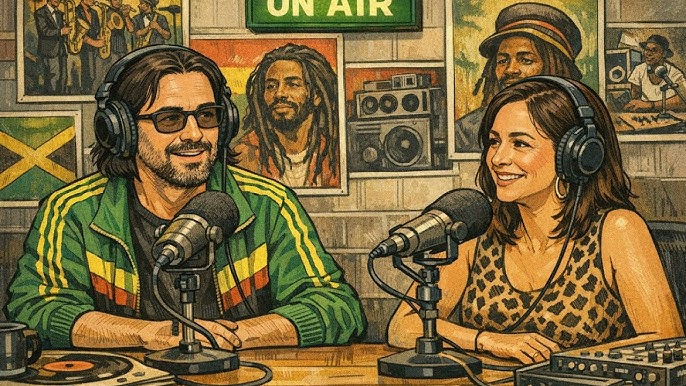
Ska music is one of the most influential and versatile music genres in modern history, blending lively rhythms, catchy melodies, and cultural diversity. Originating in Jamaica in the late 1950s, ska quickly crossed oceans, shaping the music scenes in the United Kingdom, the United States, and beyond. Its evolution reflects how music can transcend borders, connect generations, and inspire new movements in popular culture.
The Origins of Ska Music
Ska emerged from a fusion of Caribbean mento and calypso with American jazz and rhythm and blues. Jamaican musicians sought to create a sound that captured the energy of street life, community gatherings, and local dances. The upbeat tempo, accented guitar or piano offbeats, and strong horn sections became hallmarks of the genre, creating an infectious sound that made people move instantly.
Key Characteristics of Ska
- Offbeat rhythms: The guitar and piano often emphasize the offbeat, giving ska its signature bouncing sound.
- Horn sections: Trumpets, trombones, and saxophones add melody and depth, making the music feel lively and celebratory.
- Danceable tempo: Most ska songs maintain a fast pace, encouraging dancing and audience interaction.
- Social commentary: Lyrics often touch on social issues, community life, or political themes, making the genre both entertaining and meaningful.
The First Wave: Jamaica in the 1960s
The first wave of ska thrived in Jamaica during the early 1960s. Artists like Prince Buster and The Skatalites helped define the sound, recording tracks that combined rhythmic innovation with lively brass arrangements. This period not only established ska as Jamaica’s defining musical export but also laid the foundation for future evolutions like rocksteady and reggae.
The Second Wave: Two-Tone Ska in the UK
By the late 1970s, ska had migrated to the United Kingdom, merging with punk and new wave influences to create the Two-Tone movement. Bands such as The Specials and Madness introduced themes of racial unity and social consciousness alongside energetic performances. The black-and-white checkerboard imagery symbolized multicultural collaboration, and concerts became a mix of fun, activism, and musical innovation.
Features of Two-Tone Ska
- A fusion of punk rock energy with traditional ska rhythms.
- Lyrics addressing unemployment, racism, and urban life.
- Iconic visual style that connected music with a social message.
The Third Wave: Ska Goes Global
In the 1980s and 1990s, ska entered its third wave, spreading to the United States and other parts of the world. Bands like Reel Big Fish and The Mighty Mighty Bosstones combined ska rhythms with punk rock, pop, and even metal influences. The genre became synonymous with summer festivals, energetic live shows, and a dedicated fanbase that embraced both its musical complexity and danceable nature.
Ska Today: Modern Influences and Revival
Modern ska continues to evolve, influencing electronic music, indie rock, and world music genres. Festivals dedicated to ska and related styles appear across continents, blending traditional sounds with contemporary production techniques. Artists experiment with digital effects while retaining the core brass and rhythmic energy that define ska.
Why Ska Remains Popular
- Universally danceable: The upbeat tempo and catchy horns make it perfect for live performances.
- Cultural versatility: Ska adapts to different musical traditions, making it accessible globally.
- Timeless themes: Social commentary and community-focused lyrics resonate across generations.
- Collaborative spirit: Ska bands often feature large ensembles, emphasizing teamwork and musical conversation.
Conclusion
Ska music’s journey from the streets of Jamaica to international stages exemplifies how a genre can influence global culture, bridge communities, and inspire new forms of artistic expression. Its enduring rhythm, vibrant brass, and socially conscious lyrics make ska not just a musical style but a cultural movement that continues to evolve and captivate audiences worldwide. Whether in a small club, a massive festival, or through digital streaming, ska remains a testament to music’s ability to unite people through joy, rhythm, and shared experience.