







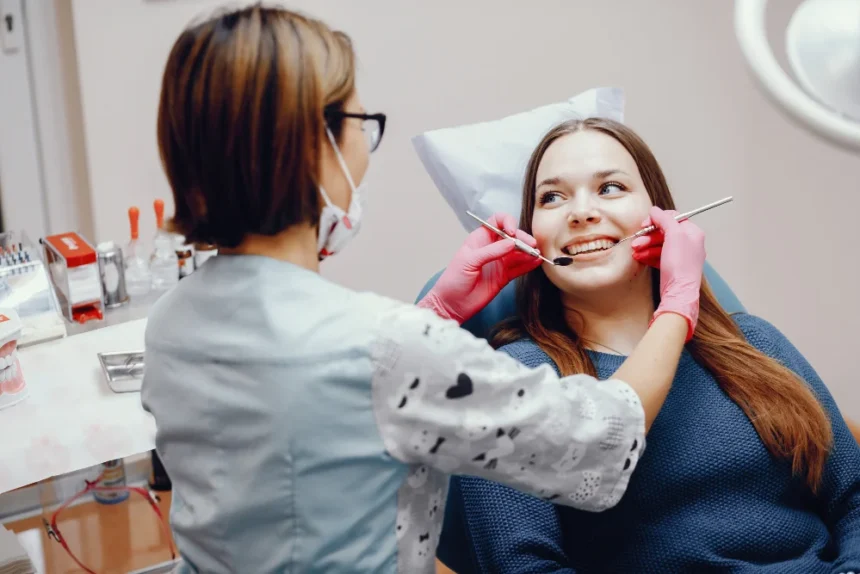
Healthy teeth do not happen by accident. They come from steady choices that protect your mouth long before pain starts. Preventive dental care gives you that protection. It lowers your risk of cavities, gum disease, and tooth loss. It also keeps treatment costs under control. This blog shares four simple services that support strong teeth and steady health. You will see how each service works, what to expect, and when to schedule it. You will also learn questions to ask during each visit. That way you stay in control of your care. If you already see a dentist in LaGrange, GA, these services can fit right into your routine. If you do not, this guide can help you know what to look for. Your smile is part of how you eat, speak, and connect with people. It deserves strong support from the start.
1. Regular exams and cleanings
Routine exams and cleanings are the base of strong oral health. They catch small problems early. They also remove plaque and tartar that brushing and flossing leave behind.
Here is what usually happens during these visits.
- Review of your health history and medicines
- Check of teeth, gums, tongue, and cheeks
- Screening for oral cancer and infection
- Measurement of gum pockets around each tooth
- Professional cleaning and polishing
- Advice on brushing, flossing, and food choices
The Centers for Disease Control and Prevention reports that tooth decay is one of the most common chronic conditions. Regular exams stop many problems before they grow. They also protect your whole body. Gum disease is linked to heart disease, diabetes, and pregnancy problems.
Ask your dentist how often you need cleanings. Many people do well with two visits each year. Some people need three or four.
2. Dental sealants
Sealants are thin coatings that cover the grooves on the chewing surfaces of back teeth. These grooves trap food and bacteria. That causes cavities, especially in children and teens.
The process is quick and simple.
- The tooth surface is cleaned.
- The tooth is dried and prepared.
- The liquid sealant is painted on.
- A blue light hardens the sealant.
The CDC shares that sealants can prevent most cavities in back teeth for many years. They are safe for children and adults. They do not require shots or drilling.
Consider sealants when:
- Your child gets new permanent molars.
- You or your child has many past cavities.
- You have deep grooves that are hard to clean.
Ask how often sealants need a check. The last ten years have been with regular care and quick repairs.
3. Fluoride treatments
Fluoride makes tooth enamel stronger. It helps repair early damage before it turns into a cavity. You get fluoride from tap water, toothpaste, and some mouth rinses. In the office, you can get stronger fluoride in gel, foam, or varnish form.
A typical fluoride visit looks like this.
- Your teeth are cleaned and dried.
- Fluoride is brushed or placed on your teeth.
- You leave it on for a set time.
- You avoid food or drink for a short period.
The National Institute of Dental and Craniofacial Research explains that fluoride protects teeth at all ages. It is especially helpful if you have dry mouth, braces, or a history of cavities.
Ask your dentist if you need fluoride at each cleaning. Ask also if your home water has enough fluoride. If not, you may need extra care through toothpaste, rinses, or supplements.
4. X-rays and early detection
Dental X-rays show what eyes cannot see. They reveal decay between teeth, infections in the bone, and hidden teeth. They also help track growth in children.
Common types include:
- Bitewing X-rays. These show decay between the back teeth.
- Periapical X-rays. These show the full tooth and root.
- Panoramic X-rays. These show the whole mouth in one image.
Modern digital X-rays use low radiation. A single dental X-ray has much less exposure than many daily events, such as flying on an airplane. Still, your dentist should use the lowest dose needed and cover you with a lead apron.
Ask how often you need X-rays. That depends on your decay risk, age, and past treatment. Children and people with many fillings may need them more often. People with low risk may need them less often.
Comparison of preventive services
| Service | Main purpose | Best for | Typical timing |
|---|---|---|---|
| Exams and cleanings | Remove plaque and tartar. Find early problems. | All ages | Every 6 to 12 months |
| Dental sealants | Block food and bacteria in the grooves of molars. | Children, teens, high-risk adults | When new molars appear. Recheck at each visit. |
| Fluoride treatments | Strengthen enamel. Repair early decay. | Children, dry mouth, high cavity risk | Every 3 to 12 months, based on risk |
| X rays | Spot hidden decay, infection, and growth issues. | All ages, tailored to risk | Every 1 to 3 years or as needed |
How to use these services for your family
You can build a simple plan that protects every person in your home.
- Set routine exams for the same month every year.
- Ask about sealants when your child gets molars.
- Review fluoride needs during each cleaning.
- Confirm when X-rays are due and why they are needed.
Before each visit, write three questions. For example:
- What can I change at home to prevent problems?
- Which teeth concern you the most today?
- How soon should my next visit be?
Take the next step
Preventive care is steady, not sudden. These four services work together. Exams and cleanings keep your mouth clear. Sealants guard weak spots. Fluoride builds strength. X-rays catch trouble early. When you use them as a team, you protect your smile and your budget.
Schedule your next visit. Ask for a plan that fits your risks, your age, and your daily life. Your teeth carry you through every meal and every word. Give them firm support today so they stay strong for many years.