







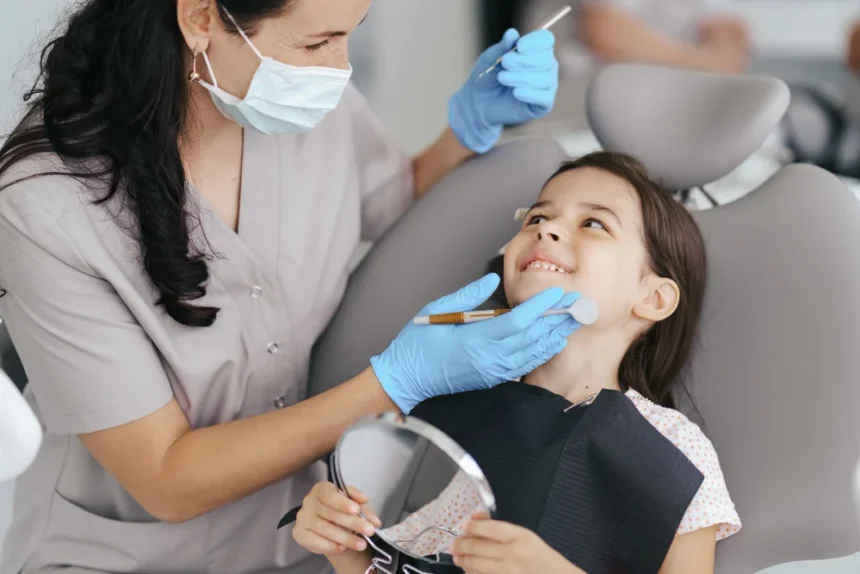
Raising a child with special needs can feel lonely and heavy. Everyday tasks like brushing teeth or sitting in a chair may turn into long battles. Dental visits often bring fear, tears, and guilt. You want care that respects your child’s limits and strengths. You also need a team that listens to you. A Garden Grove dentist who understands special needs care can change that experience. You can expect clear steps, patient care, and a safe space. Your child can feel seen. Your voice can matter. This blog shares three direct ways family dentists support children with special needs. You will see how they shape the visit, use simple tools, and plan for the long term. You can use these ideas to ask better questions. You can also use them to choose a dentist who matches your child’s needs and your own peace of mind.
1. They Prepare Before Your Child Ever Sits In The Chair
Support starts long before the first exam. You and your dentist can plan together. Careful planning lowers stress for you and your child.
Many family dentists use three basic steps.
- They gather a full health and behavior history.
- They plan the visit around your child’s triggers and calming tools.
- They walk you through what will happen during and after the visit.
You can expect questions about sensory needs, past medical care, mobility, and communication. You may also talk about favorite toys, music, or objects that help your child feel safe. This is not small talk. These details guide every choice in the office.
The dentist may suggest a “happy visit” with no treatment. Your child can see the room, meet staff, and touch safe items like a mirror or cup. You can stay close. The goal is trust. Even a short visit can reduce fear at the next appointment.
You can learn more about common dental needs for children with special health care needs from the National Institute of Dental and Craniofacial Research at https://www.nidcr.nih.gov/.
2. They Adapt The Environment And Tools To Fit Your Child
A good family dentist does not expect your child to “just cope.” Instead, the office bends to match your child. Small changes in the room, timing, and tools can protect your child from overload.
Common supports include three simple groups.
- Changes in the space, such as dimmer lights, less noise, or a private room.
- Changes in timing, such as first morning visits or shorter visits.
- Changes in tools, such as smaller instruments or flavored products.
Many children with special needs have a higher risk for tooth decay and gum disease. The Centers for Disease Control and Prevention explains these risks and the value of early care at https://www.cdc.gov/.
The table below shows examples of common needs and matching supports you can request.
| Child Need | Possible Trigger In Dental Visit | Support A Family Dentist May Offer |
|---|---|---|
| Strong sound sensitivity | Loud suction or drill noise | Noise blocking headphones. Short use of tools. Quiet room. |
| Light sensitivity | Bright overhead light | Dimmer light. Child sunglasses. Towel near eyes. |
| Fear of new people | Meeting many staff at once | Same assistant each visit. Slow introductions. Parent close by. |
| Limited speech | Fast questions and directions | Picture cards. Simple yes or no questions. Extra response time. |
| Movement challenges | Transferring to the dental chair | Help with safe transfer or care in a wheelchair. Extra supports. |
| Strong gag reflex | Large instruments or X-ray films | Smaller tools. Careful X-ray angles. More breaks. |
You can bring your own supplies as well. These may include a favorite blanket, stuffed animal, fidget, or music. You can also write a short one-page profile. List three things that calm your child, three triggers, and three clear “do not” items. Hand this to the staff at check-in.
3. They Partner With You For Daily Care At Home
Most dental health happens at home. A strong family dentist knows this. Good support does not end when you leave the office. Instead, the team helps you build simple daily habits that you can keep.
You and your dentist can work on three home goals.
- Keep brushing and cleaning as simply and repeatable as possible.
- Lower sugar in drinks and snacks during the day.
- Set a clear schedule for checkups and cleanings.
The dentist can show you how to brush your child’s teeth if your child cannot brush alone. You may learn how to stand behind your child, support the jaw, and brush in small circles. You may also see how to use floss holders or special toothbrush handles. Some offices offer written guides with pictures you can place by the sink.
You can ask for a short, written care plan after each visit. This plan may include three parts.
- What went well during the visit.
- What triggered stress and how staff handled it.
- What to practice at home before the next visit.
You and the dentist can adjust this plan each time. Over time, visits often become calmer. Your child learns what to expect. You gain more skill and confidence.
How To Choose A Supportive Family Dentist
Finding the right person takes work. Still, a strong match can ease years of stress. You can use three simple steps when you search.
- Ask direct questions about experience with children with special needs.
- Request a short meet and greet visit before any treatment.
- Watch how staff speak to your child and to you.
You can ask questions such as.
- How do you prepare a child who has sensory overload?
- What training do you and your staff have for children with special needs?
- Can I stay with my child for the whole visit?
- How do you handle a visit if my child cannot finish treatment that day?
Trust your own reactions. If you feel rushed or ignored, keep looking. A strong family dentist gives you time. Clear answers. Straight talk. You deserve that. Your child deserves that.
With the right partner, dental visits can move from fear to steady care. You and your child can face each visit with more control and less pain. Step by step, that care protects both your child’s mouth and your own peace of mind.