

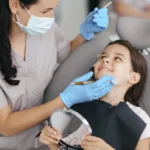






Your child’s smile changes fast. Baby teeth fall out. New teeth push through. In this rush, problems can grow quietly. Transitional care guides your child from baby teeth to a strong permanent smile. You watch every step your child takes. You deserve clear steps for teeth, too. Early guidance protects your child from pain, infection, and costly treatment later. It shapes speech and chewing. It also shapes self-worth. Many parents feel unsure in this phase. That fear is common. There is a path. Regular visits with a trusted dentist in Kokomo, Indiana help you track growth, fix small issues early, and build healthy habits that last. Each visit is a chance to protect your child’s future smile. Each choice now has a long reach. You do not need to guess. You can use simple, steady care during this short but powerful window.
Why Transitional Care Matters So Much
Baby teeth look small. They still carry heavyweight. They hold space for adult teeth. They guide the jaw as it grows. They support speech and clear eating.
When baby teeth break, hurt, or fall out too soon, adult teeth lose their guide. Then, adult teeth can come in twisted or crowded. That shift can change how your child chews and speaks. It can also change how your child feels in school photos and with peers.
Transitional care keeps this chain in order. It links baby teeth, mixed teeth, and full adult teeth. You protect each stage, not just the end result.
What Happens During the “Mixed Dentition” Years
The mixed dentition phase starts when the first adult molars and front teeth appear. This often begins around age six. It can last into early teens. During this time, your child has both baby and adult teeth in the mouth.
Research from the Centers for Disease Control and Prevention shows that many children have tooth decay by early grade school. Decay in baby teeth can spread. It can affect the gums and the adult teeth forming under them.
During these years, a dentist checks three key things.
- Tooth decay and gum health
- Space for adult teeth to come in straight
- Jaw growth and bite alignment
This watchful care cuts risk before it grows into pain or long-term treatment later.
Common Problems You Can Catch Early
Transitional care helps you catch quiet problems. Many problems start small and painless.
- Early cavities in baby or new adult teeth
- Baby teeth that do not fall out on time
- Adult teeth that come in rotated or blocked
- Crossbites or overbites
- Grinding or clenching at night
Early action can shorten or even prevent braces. It can also prevent infections that spread to the bone or face.
Baby Teeth vs Permanent Teeth: Key Differences
| Feature | Baby Teeth | Permanent Teeth |
|---|---|---|
| Number in full set | 20 | 32 |
| Enamel thickness | Thin. Decay spreads faster | Thicker. More resistant to decay |
| Time in the mouth | From about 6 months to early teens | Meant to last your child’s life |
| Main purpose | Guide growth and hold space | Handle full chewing and speech needs |
| Sensitivity to damage | High. Trauma and decay spread quickly | Still at risk but more durable |
This table shows why you cannot ignore baby teeth. Their thin enamel and short time frame mean problems move fast.
Your Role at Home During Transitional Care
You see your child every day. That gives you power. You can spot changes long before a visit.
Focus on three daily habits.
- Brush with fluoride toothpaste two times each day
- Floss once each day as soon as teeth touch
- Limit sugary drinks and snacks between meals
You can also watch for warning signs.
- White or brown spots on teeth
- Red or puffy gums that bleed
- Mouth breathing or snoring
- Jaw pain or frequent cheek biting
These signs deserve a call to the dentist. Quick action can stop deeper harm.
What to Expect at Dental Visits
Transitional care visits are simple. They are also structured. Each visit gives you clear updates.
You can expect three main parts.
- Cleaning to remove plaque and hardened buildup
- Exam of teeth, gums, and bite
- Guidance on brushing, flossing, and diet
Sometimes the dentist may suggest sealants on new molars. These are thin coatings on the chewing surfaces. The National Institute of Dental and Craniofacial Research notes that sealants can cut decay in permanent molars in school-age children. Sealants are quick to place. They do not hurt.
When Orthodontic Checks Make Sense
Many parents wait for all adult teeth before an orthodontic check. That wait can cost time and money. Early checks during the mixed dentition years can guide growth while bones are still flexible.
You can ask your dentist when to see an orthodontist. Often, the first check happens around age seven. This does not always mean braces start then. It means a plan starts early. That plan can use growth to your child’s benefit.
Helping Your Child Feel Safe and Heard
Some children fear the dentist’s chair. You can calm this fear with steady steps.
- Use simple, clear words about what will happen
- Avoid scary stories or threats about shots
- Bring a comfort toy or book if the office allows it
You can also praise brave behavior after visits. You show your child that caring for teeth is normal. You show that it is a shared family duty, not a punishment.
Act Now to Protect Future Smiles
Transitional care is short. Its impact is long. Each steady visit and each small habit at home shape how your child eats, speaks, and smiles as an adult.
You do not need complex tools. You need clear steps, a regular dentist, and your daily attention. When you guard this phase, you protect more than teeth. You protect comfort, health, and quiet confidence for years to come.
