







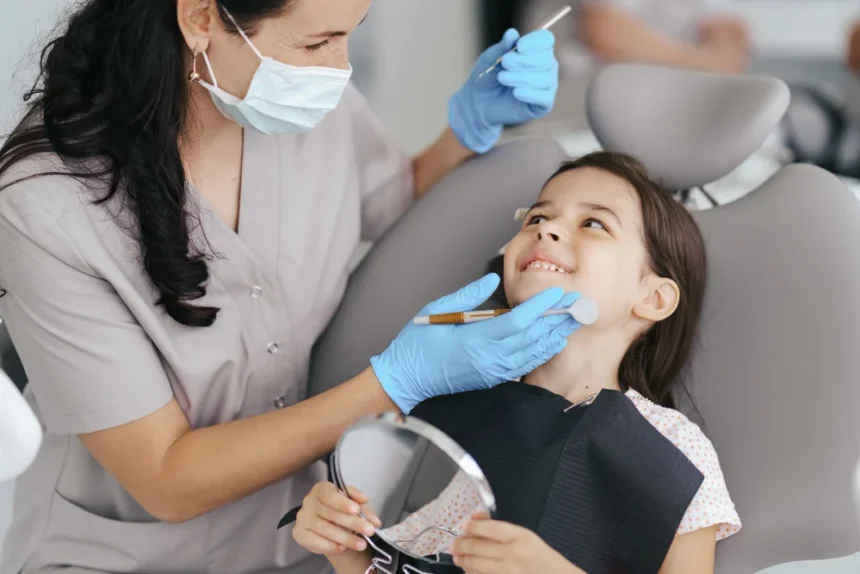
Taking your child to the dentist can stir up fear, guilt, and many questions. You want to protect your child. You also want clear answers, not guesses. This is especially true if you are planning dental care in Antioch and feel unsure about what will happen. You might wonder when to start visits, how often to go, or what to do if your child is scared. You might worry about cost or what happens during the first exam. These questions are common. They are also important. This blog gives straight answers to five questions parents ask most about family dental visits. You will see what to expect, how to prepare your child, and how to spot real problems early. You will gain simple steps that help you feel ready for your next visit.
1. When should my child first see a dentist?
You should schedule the first visit by the first birthday or within six months after the first tooth comes in. That timeline comes from the Centers for Disease Control and Prevention. Early visits protect your child. They also prevent painful problems later.
The first visit is short. The dentist checks teeth, gums, and jaw growth. You learn how to clean tiny teeth and what to avoid. You also get clear advice about thumb sucking and bottle use.
Three goals guide that first visit.
- Spot early signs of tooth decay
- Teach you simple home care habits
- Help your child see the dentist as safe
You do not need to wait for pain. Tooth pain in children often means advanced decay. Early care keeps your child away from urgent treatment.
2. How often should my family go to the dentist?
Most families do best with visits every six months. That schedule lets the dentist catch small problems before they grow. It also keeps cleanings simple and short.
Yet some children need more frequent visits. Children with many cavities, braces, or health conditions may need checkups every three to four months. Your dentist will explain the reason and plan with you.
Use this simple guide.
| Family situation | Suggested visit schedule | Main reason |
|---|---|---|
| Healthy child, few or no cavities | Every 6 months | Prevent new decay and track growth |
| Child with past cavities | Every 3 to 4 months | Catch new decay early |
| Braces or other orthodontic care | Every 3 to 4 months | Clean around wires and prevent white spots |
| Family with high sugar intake or limited brushing | Every 3 to 4 months | Extra cleanings and coaching |
| Ongoing gum problems | Every 3 to 4 months | Control bleeding and swelling |
Regular visits work with home brushing and flossing. Together, they give your child a strong base for later life.
3. What happens during a family dental visit?
Knowing each step lowers fear for you and your child. A typical family visit includes three main parts.
First comes the check-in. Staff review your child’s health history and any new concerns. You can share changes in medicine, behavior, or school performance. Those details help the dentist see the full picture.
Next comes the exam and cleaning. The dental team will usually
- Count and check each tooth
- Look at gums, tongue, and cheeks
- Clean plaque and hardened buildup
- Polish teeth
- Apply fluoride if needed
Sometimes the dentist takes X rays. That depends on age, risk of cavities, and past history. X rays help spot decay between teeth and watch jaw growth. Radiation levels are low. Lead aprons and modern equipment protect your child.
Last comes the talk. The dentist explains findings in plain words. You hear what looks healthy, what needs watching, and what needs treatment. You also get clear advice about brushing, flossing, snacks, and drinks. You should leave with a plan and a date for the next visit.
4. How can I prepare my child for the dentist?
Your words shape how your child feels. Simple, honest language works best. You can say, “The dentist counts your teeth and helps keep them strong.” Avoid words like “hurt” or “shot” even when you mean “It will not hurt.” The brain can cling to the scary word.
Here are three steps that often help.
- Practice at home. Let your child open wide while you count teeth. Then switch roles and let your child be the “dentist.”
- Use stories and pictures. Read a short book about dental visits. Show pictures of the office if you have them.
- Plan comfort. Bring a favorite toy or blanket. Ask the office if your child can listen to music during the visit.
You can also schedule the appointment at a time when your child is usually rested and fed. Early morning often works well. Hungry or tired children feel stress faster.
If your child has special needs, tell the office in advance. Many dental teams can adjust lighting, sounds, or visit length. Clear planning protects your child and lowers your own tension.
5. How can I manage costs and still protect my child’s teeth?
Money worries can delay care. That delay often leads to higher bills later. Early prevention usually costs less than treatment for pain or infection.
First, check what your dental or health insurance covers. Many plans cover routine exams and cleanings for children at no cost or low cost. Some plans also cover sealants on back teeth. Sealants are thin coatings that help block decay on chewing surfaces.
Second, ask the dental office about payment plans. Many offices allow monthly payments for larger treatments. Some offer reduced fees for families who pay at the time of service.
Third, look for public or community options if you do not have insurance. State programs often cover children. You can search for low-cost clinics through state health departments or local health centers. The National Institute of Dental and Craniofacial Research offers clear guidance on children’s oral health and can help you understand what care matters most.
At home, you can stretch each dollar with three simple habits.
- Brush teeth with fluoride toothpaste twice a day
- Offer water instead of sugary drinks most of the time
- Limit snacks that stick to teeth, such as gummies and crackers
These daily choices protect teeth between visits and lower the chance of costly treatment.
Moving forward with confidence
Family dental visits do not need to feel scary or confusing. You now know when to start, how often to go, what to expect, how to prepare your child, and how to manage costs. Use these questions as a guide. Bring your own questions to each appointment. You have the power to shape your child’s dental health with clear steps and steady support.
