





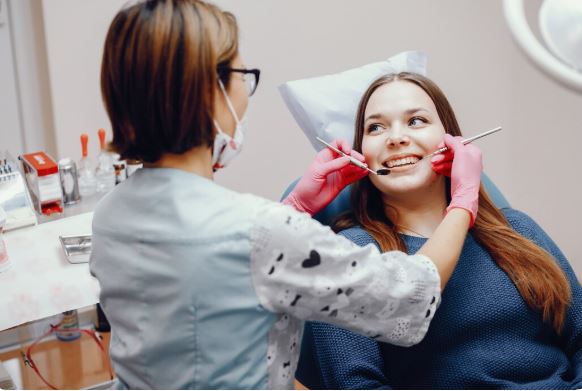
Regular checkups protect your mouth from quite damage. Cosmetic care restores what time and stress have taken from your smile. Together they create real change. You already sit in the chair for cleanings and exams. That same visit can support small upgrades that build your confidence and comfort. Simple changes to color, shape, or spacing can ease shame, worry, and social fear. Many people think cosmetic care is only for celebrities. It is not. It is practical, planned, and often gentle. It can match your health goals and your budget. With the right plan, each routine visit can move you closer to the smile you want. If you are looking for cosmetic dentistry in Riverside, CA, you can use your regular checkups as a starting point. This guide explains five specific cosmetic enhancements that work well with ongoing care and steady checkups.
1. Teeth whitening during or after your cleaning
Surface stains build up from coffee, tea, tobacco, and food. A cleaning removes plaque and tartar. Then whitening can reach the tooth surface more evenly. That makes the change in color steadier and clearer.
During a checkup, you and your dentist can:
- Review stain causes and daily habits
- Check fillings and crowns that will not whiten
- Choose in-office whitening or take-home trays
In-office whitening uses stronger materials and close monitoring. Take-home trays work more slowly and fit into your routine. Many people start in the office, then use trays to keep the shade. The American Dental Association page on teeth whitening explains common options and safety steps.
2. Tooth colored fillings that blend with your smile
Regular exams reveal early decay and worn metal fillings. Instead of silver, you can choose tooth colored material. These fillings repair damage and also match the natural shade of nearby teeth.
At a checkup, the dentist can:
- Find older fillings with cracks or gaps
- Plan safe replacement over one or more visits
- Match the color to your current or future whitening shade
First, you treat the cavity or replace the weak metal. Then you gain a smoother, more natural look when you speak or laugh. You protect the tooth and calm self-awareness at the same time.
3. Dental bonding for chips, gaps, and rough edges
Small chips or short teeth can feel huge in photos or close talk. Bonding uses tooth colored resin that the dentist shapes on the tooth. It can fill a gap, lengthen a tooth, or cover a rough spot.
Bonding often works well when:
- You have one to three teeth that bother you the most
- You want to change without drilling much tooth
- You need a more budget-friendly plan than crowns
Routine checkups let the dentist watch bonded teeth. They can smooth worn edges and polish stains. Over time, you can decide if bonding still fits or if you want a longer-lasting choice.
4. Porcelain veneers planned through regular visits
Veneers are thin covers that attach to the front of teeth. They can change color, shape, and length in one step. They help with deep stains, uneven edges, and crowding that braces cannot fix alone.
Veneers need planning. Regular checkups support that plan through three steps.
- First visit. Check gum health, bite, and enamel thickness
- Second visit. Shape teeth, take molds, and place temporary covers
- Third visit. Bond the final veneers and adjust the bite
Later checkups protect your investment. The dentist checks the bond, cleans around the edges, and looks for grinding. If you grind, they may make a night guard. That guard shields your veneers and your natural teeth.
5. Orthodontic aligners joined with preventive care
Crooked or crowded teeth trap plaque. That raises the risk of decay and gum disease. Clear aligners straighten teeth over time. They also make daily cleaning easier.
Regular checkups during aligner use help you:
- Track tooth movement and root health with exams and X-rays/li>
- Adjust trays when a tooth moves slower or faster
- Catch early signs of gum swelling or enamel wear
The National Institute of Dental and Craniofacial Research explains how alignment affects oral health outcomes. Straighter teeth are easier to brush and floss. That lowers the risk of pain, infection, and future costly care.
Comparison of common cosmetic enhancements
| Enhancement | Main purpose | Often done during checkup visit | Average number of visits | Helps future cleanings |
|---|---|---|---|---|
| Teeth whitening | Lighten tooth color | Yes, often after cleaning | 1 to 3 | Indirectly, stains show less between visits |
| Tooth colored fillings | Repair decay and match color | Yes, after exam | 1 | Yes, smoother surfaces are easier to clean |
| Dental bonding | Fix chips, gaps, shape | Sometimes, if time allows | 1 to 2 | Somewhat, fewer rough spots |
| Porcelain veneers | Change color and shape of front teeth | No, needs planned visit | 2 to 3 | Yes, even surfaces help brushing |
| Clear aligners | Straighten teeth | No, separate start visit | Several over many months | Yes, straighter teeth are easier to clean |
How to use your regular checkups to plan cosmetic care
Each checkup is a chance to plan three things.
- Your health needs. Cavities, gum swelling, or grinding
- Your cosmetic goals. Color, shape, and alignment
- Your limits. Time, budget, and comfort level
First, treat active disease. That gives a clean base. Next, start with the change that bothers you the most. Often, that is color, a front chip, or a gap. Then use later checkups to judge results and adjust the plan.
Cosmetic care should never replace cleanings, exams, and home brushing with fluoride toothpaste. Instead, it should sit on top of strong daily habits. With steady checkups, small upgrades can build a calm, natural smile that fits your life and your values.