






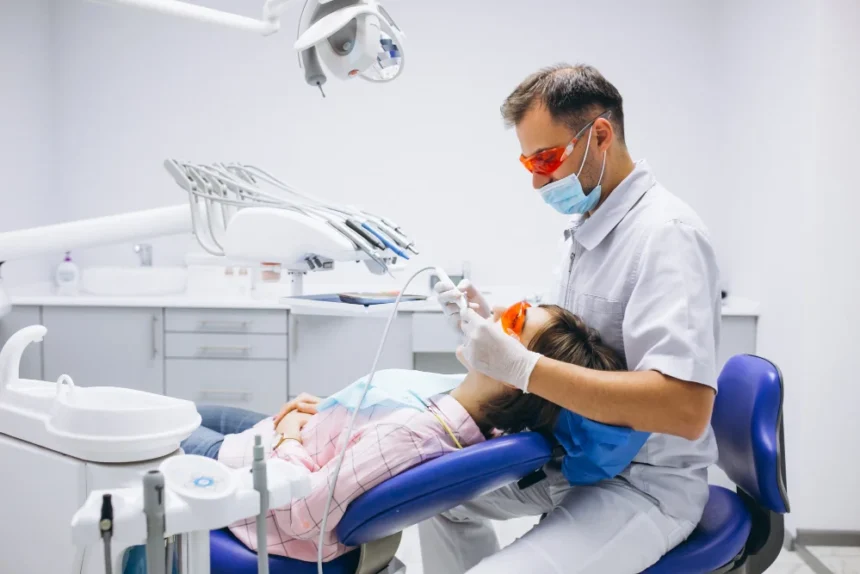
Tooth loss can drain your confidence and weaken your bite. You may hide your smile. You may chew on one side. You may avoid certain foods. Dental implants can change that. They replace missing teeth in a way that looks natural and works with your mouth. They let you speak clearly, chew with strength, and smile without fear. Unlike removable dentures, implants stay in place. They protect your jaw from shrinking. They also support nearby teeth. This blog explains how implant dentistry restores both appearance and function. It will walk through how implants work, what you can expect during treatment, and how results feel in daily life. It will also explain when a Periodontal specialist in Long Island, NY may be the right person to guide your care and protect your health. You deserve a mouth that works well and a smile that feels like you.
What A Dental Implant Really Is
A dental implant replaces the root of a missing tooth. It is often made of titanium. Your bone grows around it and holds it in place. Then a connector piece and a crown go on top.
So an implant has three main parts:
- The implant post in the bone
- The abutment that joins parts
- The crown that looks like a tooth
Each part has a clear job. Together they act like a real tooth. You can brush it. You can floss around it. You can chew with it.
How Implants Protect Your Jaw And Bite
When you lose a tooth, the bone in that spot starts to shrink. Your body no longer senses pressure from chewing in that place. So it stops keeping the bone strong. Over time, your jaw shape changes.
Dental implants change that pattern. They send chewing forces into the bone. That tells your body to keep the bone firm. The result is a stronger jaw and a more stable bite.
The National Institute of Dental and Craniofacial Research explains how bone loss follows tooth loss and why replacement matters for long-term health.
Implants And Everyday Function
Function means what your mouth lets you do each day. Dental implants support three key parts of daily life.
- Eating. You can chew many foods again. You can use both sides of your mouth. You do not chase loose dentures.
- Speaking. Your teeth guide your tongue. Stable teeth help you form words. You feel less worry about slips or clicks.
- Comfort. Implants do not rest on your gums. So you avoid many sore spots and rubbing.
This steady function can lower stress during simple acts like sharing meals or reading to a child out loud.
Implants And How You Look
Missing teeth changes more than your smile. They also affect your face shape. Bone loss can make your cheeks sink. Your lips may fold in. Your jaw may look shorter.
Dental implants help in three ways.
- They fill gaps so your smile looks even.
- They support your lips and cheeks from behind.
- They slow jawbone loss so your face keeps its form.
The crowns on implants match the color and shape of your other teeth. People often cannot tell which tooth is an implant.
Comparing Implants, Bridges, And Dentures
You have choices when you replace missing teeth. Each option has strengths. The table below gives a simple comparison.
| Feature | Dental Implants | Fixed Bridge | Removable Denture |
|---|---|---|---|
| Replaces tooth root | Yes | No | No |
| Helps prevent bone loss | Yes | No | No |
| Stability while chewing | High | High | Low to medium |
| Affects nearby teeth | Often none | Requires shaping nearby teeth | No change to teeth |
| Removability | Stays in place | Stays in place | Removed for cleaning |
| Typical lifespan | Many years with care | Several years | Often needs refitting |
This overview does not replace a personal exam. It does give you a starting point for questions.
What To Expect During Implant Treatment
Implant treatment usually follows three main steps. Your plan may adjust based on your health and bones.
- Planning. You receive an exam, X-rays, and sometimes a scan. Your dentist or specialist checks your gums, bone, and bite.
- Placement. The implant post is placed in your jaw during a minor surgery. You may receive local numbing and sometimes light medicine to help you relax.
- Healing and crown. Your bone heals around the implant. This process can take a few months. Then the abutment and crown go on.
During healing, you may use a temporary tooth. You still brush and clean your mouth. You also follow food and care instructions to protect the new implant.
When You May Need A Specialist
Sometimes your case needs a higher level of care. A periodontist focuses on gums, bone, and supporting structures. You may need this support if you have:
- Advanced gum disease
- Significant bone loss
- Multiple missing teeth
- Medical conditions that affect healing
The American Academy of Periodontology explains how gum health and implants connect.
Caring For Implants At Home
Implants need steady care. The routine is simple and mirrors care for natural teeth.
- Brush twice a day with a soft brush.
- Clean between teeth once a day with floss or small brushes.
- Use non-abrasive toothpaste.
- Keep regular checkups and cleanings.
- Limit tobacco and manage blood sugar if you have diabetes.
These steps protect the gums and bone around your implants. They also protect your other teeth.
How Implants Can Change Daily Life
Dental implants do more than fill empty spaces. They support the way you eat, speak, and interact with others. They help keep your jaw strong. They support your face shape. They give you a smile that feels natural.
You do not need to accept pain, loose teeth, or fear of chewing. You can ask clear questions. You can seek a careful exam. You can choose a plan that protects both how your mouth works and how you look.