






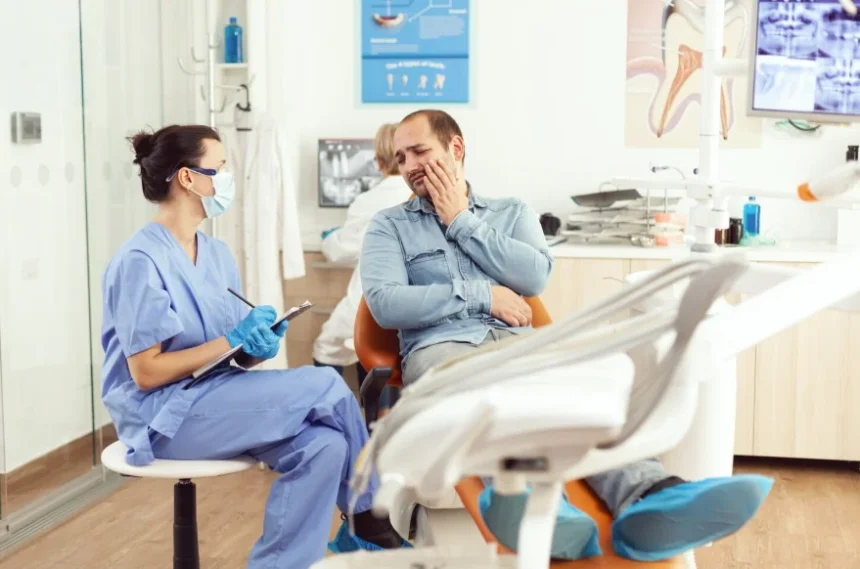
Feeling tense about a dental visit is common. Your heart races. Your jaw tightens. You might even put off care for months or years. That delay often leads to more pain and more cost. General dentistry changes that pattern. It focuses on steady care that feels safe and familiar. You see the same team. You hear clear answers. You know what comes next. That predictability eases fear. It also gives you more control over your health. When you visit a general dentist in Ballston, Arlington, VA, you can expect simple steps. First, you share your concerns. Next, the team listens and explains options. Finally, you agree on a plan that fits your needs and schedule. This calm structure builds trust. It turns a visit you dread into a routine you can handle. Over time, each visit can feel shorter, lighter, and less stressful.
Why steady dental care feels safer
An exam chair can trigger old fears. You might remember a painful visit from childhood. You might worry about bad news. Steady care softens those fears. Regular visits mean problems stay small. Cleanings stay shorter. Treatment feels simpler.
General dentistry keeps the focus on three things. Prevention. Early repair. Clear follow up. That rhythm builds a sense of safety. You know you will be seen before a problem grows. You know someone will explain what is happening. You know there is a plan.
The National Institute of Dental and Craniofacial Research explains that routine care lowers the risk of decay and gum disease. Small steps now protect you from urgent treatment later.
How general dentists reduce fear and pain
Fear often comes from three sources. Pain. Loss of control. Shame. A general dentist works on each one.
- Pain. Numbing medicine and gentle tools reduce physical pain.
- Control. Clear choices and consent restore your sense of power.
- Shame. Respectful words and privacy ease embarrassment.
General dentists use simple methods to calm you. They use slow steps. They check in before each part of a visit. They stop if you raise your hand. They use plain words instead of complex terms. These actions show respect. They also give your body time to relax between tasks.
Children and adults benefit from this approach. The same basic methods apply. Short visits. Clear talk. Gentle touch. A steady routine creates comfort for the whole family.
What to expect at a typical general dentistry visit
Knowing what will happen lowers fear. Here is a common visit pattern.
- You check in and share any changes in your health.
- You sit in the chair and the team explains what they will do.
- You have X rays if needed to look for hidden problems.
- You receive a cleaning to remove plaque and tartar.
- The dentist checks your teeth, gums, and mouth.
- You hear clear results and choices for next steps.
That is it. No surprise. No rush. The focus stays on your comfort during each step.
How routine care prevents stressful emergencies
Skipping visits often leads to urgent care. A small cavity can turn into a deep infection. A little bleeding from the gums can turn into loose teeth. These emergencies often hurt. They also cost more time and money.
Regular checkups catch problems early. A tiny cavity can be filled quickly. Sore gums can be treated with a simple cleaning plan. This keeps treatment shorter and less intense. It also keeps you away from the emergency room.
The Centers for Disease Control and Prevention reports that nearly half of adults have some form of gum disease. Good brushing, flossing, and dental visits lower that risk. You can see basic guidance at the CDC oral health page at CDC oral health fast facts.
Comfort methods used by general dentists
Many general dentists now design visits with comfort in mind. Common methods include
- Use of numbing gels before injections
- Quiet rooms and soft lighting
- Music or TV for distraction
- Slow breathing guidance for anxious patients
- Simple hand signals to pause treatment
These steps may seem small. Together, they create a calmer experience. A caring team watches your body language. They adjust pace and tools to match your needs. That attention helps you feel seen and safe.
How general dentistry compares with urgent-only care
This simple table shows how steady general care differs from waiting for an emergency.
| Type of care | When you go | Common result | Impact on comfort |
|---|---|---|---|
| Regular general dentistry | Every 6 to 12 months | Small problems found early | Short visits. Less pain. More control. |
| Urgent only care | When pain is severe | Large cavities. Infections. Tooth loss. | Long visits. Strong pain. High stress. |
| Preventive focused general care | Regular visits plus good home care | Fewer fillings and extractions | Visits feel simple and routine. |
The pattern is clear. Regular general care lowers fear over time. Each visit confirms that you can get through it. That memory makes the next visit easier.
Supporting anxious children and older adults
Some groups need extra care. Children may fear new sounds. Older adults may worry about pain or cost. General dentists can adjust visits for both.
For children, teams often use
- Short visits with quick rewards
- Show and tell of tools before use
- Simple stories that explain each step
For older adults, teams often use
- Extra time to discuss health history
- Clear talk about medicine use and side effects
- Plans that spread treatment over several visits
These changes protect comfort and dignity. They also help families feel supported and informed.
Steps you can take before your next visit
You can prepare your mind and body for care. Try these three steps.
- Write down your fears and questions before you go.
- Practice slow breathing for a few minutes each day.
- Ask someone you trust to come with you and wait nearby.
Then share your list with the dentist. Ask for clear talk and frequent breaks. A good general dentist will respect those needs. That shared plan can turn fear into steady courage.
General dentistry is not just about teeth. It is about giving you a safe place to care for your health without shame or panic. With regular visits and a trusted team, you can feel calmer in the chair and stronger in daily life.