







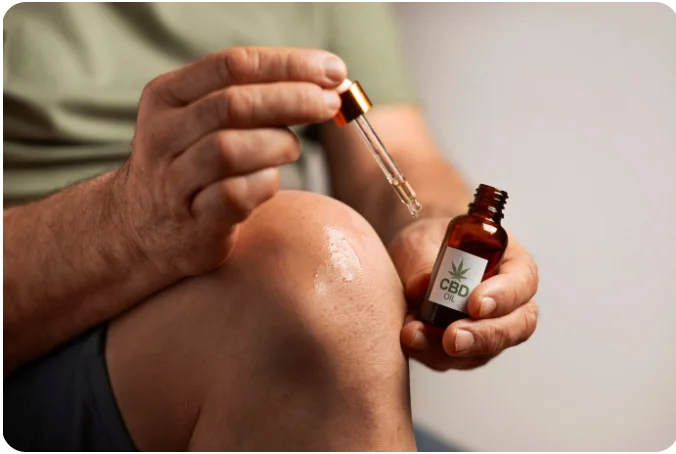
Knee pain isn’t something people talk about until it becomes hard to climb stairs or sit cross-legged on the floor. It starts as a dull ache, gradually affecting daily movements, such as getting up from a chair or walking short distances. In many Indian households, the first response is usually a quick-acting pain relief gel or a menthol spray. While these may offer temporary comfort, the pain often comes back, sometimes worse.
Instead of suppressing symptoms, Ayurveda focuses on the root cause of joint discomfort. Ayurvedic oils, in particular, are formulated to relieve pain while nourishing the underlying tissues. Unlike synthetic gels, they support long-term joint health, making them a better choice for chronic or age-related knee problems.
Why quick-fix gels fall short for lasting relief
Topical gels have become a go-to option for instant relief. They are fast-absorbing, offer a cooling or warming sensation, and appear to alleviate the pain quickly. But what’s often overlooked is that these effects are short-lived.
Most gels create a surface-level distraction, a tingling or numb feeling that tricks the brain into ignoring the pain signals. They rarely reach the joint tissues or address the deeper inflammation. Over time, the problem keeps recurring, and people end up relying more heavily on oral painkillers, which come with their risks.
This is where the strength of Ayurvedic oil for knee pain comes in. These oils are prepared using herbal decoctions and medicated bases that penetrate deeper, bringing long-term support to the joints, muscles, and ligaments. A formulation like Ayurvedic oil for knee pain works by soothing discomfort, improving blood flow, reducing stiffness, and naturally lubricating the joint.
What makes Ayurvedic oils a better long-term solution
Unlike synthetic gels that numb the area, Ayurvedic oils carry active herbal compounds deep into the tissues. This approach relieves pain while supporting tissue repair, strengthening the joint, and improving flexibility. The herbs are selected based on their Vata-balancing and anti-inflammatory properties.
Ayurvedic oils don’t offer instant miracles. Instead, they build strength over time and reduce the frequency and intensity of pain episodes. Let’s look at how they work in more detail.
Targets the root imbalance
According to Ayurveda, knee pain is often caused by an aggravation of Vata dosha, which governs movement and structure in the body. When Vata becomes imbalanced, due to ageing, poor diet, or overuse, it leads to dryness, cracking in the joints, and stiffness. Ayurvedic oils calm this imbalance by restoring moisture, heat, and flow to the area.
Improves blood circulation
These oils stimulate peripheral blood flow, which helps flush out toxins and bring fresh nutrients to the affected area. This is especially helpful in degenerative conditions like osteoarthritis, where circulation to the joint is poor.
Lubricates and rejuvenates tissues
Ayurvedic oils are typically prepared in sesame oil, which is known for its nourishing and warming properties. When massaged into the knee area, the oil softens the tissues, relieves dryness, and makes the joint more mobile. Over time, it also strengthens the surrounding muscles and ligaments.
Key herbs commonly used in Ayurvedic oils for joint support
Traditional Ayurvedic oils are prepared by boiling medicinal herbs in a base oil over several hours, sometimes even days. These herbs work together to relieve pain and strengthen the joint from within.
Bala (Sida cordifolia)
Bala is known for strengthening muscles and nerves. It helps reduce joint stiffness and fatigue, making moving easier after long rest periods.
Ashwagandha (Withania somnifera)
Ashwagandha reduces inflammation and supports recovery in conditions like osteoarthritis. It also helps improve stamina and resilience in the muscles around the joint.
Rasna (Pluchea lanceolata)
Rasna is traditionally used to treat Vata disorders. It eases chronic joint pain and helps reduce swelling and discomfort.
Dashamoola
This group of ten roots is known for its anti-inflammatory and pain-relieving effects. Dashamoola is especially beneficial in conditions involving both pain and stiffness.
How to use Ayurvedic oil for knee pain the right way
Using the oil correctly plays a significant role in its effectiveness. Many people apply a few drops and expect results overnight, but Ayurvedic oils require regular and mindful use for best results.
Pre-application steps
- Warm the oil slightly before use. Lukewarm oil absorbs better into the tissues and feels more soothing.
- Ensure the knee area is clean and free of sweat or product residue.
Massage technique
- Take enough oil to coat the knee and the surrounding area.
- Use circular motions over the kneecap and longer strokes along the thighs and calves.
- Massage gently for 10–15 minutes or until the skin feels nourished but not greasy.
After a massage, leave the oil on for at least 30–40 minutes before washing it off with lukewarm water. If possible, avoid harsh soaps that might remove the oil’s beneficial properties.
When to apply and how often
The best time to apply Ayurvedic oil is early morning before a bath or night before bed. If knee pain is severe or recurring, it can be used twice daily, morning and evening, for the first few weeks.
Applying the oil three to four times a week is often enough in mild to moderate cases. For chronic pain, daily use for at least 4–6 weeks is recommended for visible improvement.
Short- and long-term results: what to expect
Ayurvedic oil doesn’t work like a painkiller. It doesn’t numb the pain within minutes but brings steady and dependable improvement with consistent use.
Week 1–2
- Noticeable reduction in stiffness
- Slight ease in morning movements
- Better relaxation after application
Week 3–5
- Reduced frequency of pain
- Improved walking comfort and knee mobility
- Less cracking or popping in the joint
After 2 months
- Increased strength and stability around the knee
- Better tolerance for activities like squatting or stair climbing
- Reduced dependence on pain-relief tablets or gels
How Ayurvedic Oils Support Knee Health Across Different Needs
Ayurvedic oils do more than just relieve pain; they improve the structural and functional integrity of the knee joint. This makes them versatile for various concerns, not just chronic issues.
Prevents dryness in joints
One common issue with knee discomfort is the feeling of dryness or grinding during movement. This happens when the synovial fluid in the joint reduces due to ageing or poor nutrition. Ayurvedic oils restore moisture to the joint area and keep the tissues soft, reducing internal friction.
Encourages gentle detoxification
Ayurveda considers the buildup of Ama, or undigested toxins, one of the causes of pain and stiffness. Herbal oils help loosen these toxins from the tissues, making it easier for the body to expel them. Regular oil application and warm baths or mild sweating aid this detox process gently.
Supports posture and structural balance
Poor posture, incorrect sitting habits, and weight imbalance can all contribute to knee pain. While oils cannot directly change posture, they make movement easier, reduce resistance in the joints, and allow for better form when standing or walking. This indirectly supports alignment and prevents further strain.
Improves sleep and restfulness
Pain in the knees, especially at night, can disturb sleep. The calming effect of Ayurvedic oils not only reduces the discomfort but also settles the nervous system. Massaging the knees before bed can promote restful sleep and improve healing overnight.
Final thoughts
Gels and sprays might offer fast relief, but they do little to strengthen your joints or support long-term mobility. Ayurvedic oil for knee pain takes a more complete approach. It soothes the discomfort and nourishes and rejuvenates the entire knee structure.
This oil can become a trusted part of your joint care routine with the proper application, consistent use, and minor lifestyle adjustments like light exercise and adequate hydration. If knee pain slows you down, don’t just treat the surface; give your body the deeper support it needs.