






Introduction:
Procrastination is a common human habit, especially when it comes to things we perceive as uncomfortable, expensive, or unnecessary in the short term. Dental care, unfortunately, often falls into that category. Many people delay seeing the dentist because their pain isn’t severe, they’re afraid of treatment, or they’re simply too busy. But as with many areas of health, what starts small in the mouth rarely stays that way for long.
When dental issues are left unchecked, they can evolve from minor inconveniences to serious health problems, often leading to more pain, higher costs, and more complex procedures. After finally seeking treatment, countless patients express regret—not just about the damage done, but about the stress, time, and money they could have saved had they acted earlier. This article explores the most common regrets people have when they delay dental treatment, and how early action can make all the difference.
How minor symptoms become major dental procedures:
What begins as slight tooth sensitivity or a dull ache can quickly become a cavity, and if left untreated, that cavity may soon reach the nerve. At that point, a simple filling is no longer enough—you may require a root canal, crown, or even an extraction. These escalations are not uncommon, and they are often entirely preventable.
The longer a dental issue is ignored, the more it can spread. One untreated tooth can affect neighboring teeth, gum tissue, or even the jawbone. What would have been a 30-minute appointment can turn into a series of complex procedures requiring significant recovery time and cost. Delays transform manageable problems into major ones, and the regret comes with the realisation that early treatment would have made things simpler.
Why delaying treatment leads to higher costs and financial regret:
One of the most common regrets among dental patients is the increased financial burden that comes with delayed care. Early-stage treatments are typically more affordable and less invasive. A routine cleaning or filling may cost far less than the extensive procedures required when decay, infection, or gum disease spreads unchecked.
Waiting often results in:
- Emergency appointments, which tend to be more expensive
- Complex restorative work like crowns, bridges, or implants
- The need for sedation or multiple sessions
- Time off work and additional personal expenses
By acting quickly and consistently attending appointments, patients can avoid large, unexpected bills that place stress on their finances. Investing in early care is always more economical than waiting for things to get worse.
How untreated oral issues begin to affect your daily comfort:
Delaying dental treatment doesn’t just affect your teeth—it impacts how you eat, speak, sleep, and interact with others. What starts as mild discomfort can evolve into daily pain or sensitivity that interrupts your ability to enjoy meals or get proper rest.
People often report:
- Difficulty chewing certain foods
- Avoidance of hot or cold drinks
- Jaw pain or migraines
- Sleep disturbances from oral pain
These physical disruptions take a toll on your quality of life. And the longer they continue, the more your brain associates eating, smiling, or brushing with discomfort. Many patients say they wish they had acted sooner to restore their comfort and peace of mind.
How ignoring dental care damages self-confidence and appearance:
As dental issues worsen, their visual impact becomes more noticeable. Stained teeth, receding gums, or visible decay can erode self-esteem and make people feel self-conscious in both professional and personal settings. People may start hiding their smile or avoiding photographs altogether.
Some of the most common regrets include:
- Not replacing missing teeth earlier
- Allowing visible decay to go untreated
- Neglecting orthodontic needs that later impacted facial structure
- Delaying cleanings that could have preserved a bright smile
A healthy, confident smile is closely tied to emotional well-being. The sooner aesthetic and structural issues are addressed, the quicker patients regain their confidence and comfort in social settings.
Why avoiding the dentist leads to dental phobia and emotional stress:
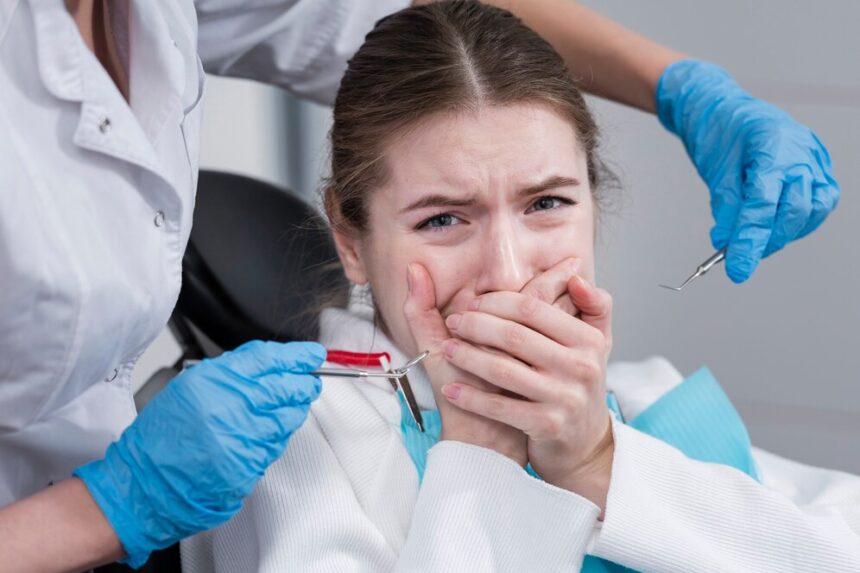
Many people delay dental visits due to anxiety or past trauma. Ironically, the longer they wait, the more intense their fear becomes—because the untreated problem usually worsens and the treatment becomes more involved. This creates a cycle of avoidance and increased stress.
Dental avoidance can lead to:
- Shame over neglected oral health
- Guilt about avoiding care for too long
- Greater fear due to anticipated pain or cost
- Emotional stress that spills into other areas of life
What begins as hesitation becomes full-blown dental phobia. Early, gentle intervention breaks this cycle and helps people build trust with their dental team before things become overwhelming. Delaying only fuels anxiety that could have been avoided.
How systemic health can be compromised by oral neglect:
The health of your mouth is deeply connected to your entire body. Ignoring dental problems can increase your risk for serious medical conditions. Gum disease, for example, has been linked to heart disease, diabetes, respiratory problems, and complications during pregnancy.
Delaying dental treatment may contribute to:
- Chronic inflammation throughout the body
- Bacteria entering the bloodstream from oral infections
- Worsening of existing health conditions
- Higher risk of hospitalisation from untreated oral disease
Maintaining oral health is not just about saving your teeth—it’s about protecting your overall health. Many patients regret not realising how crucial their dental care was to their general well-being until they faced complications elsewhere.
How missed check-ups reduce the chance of early detection:
Routine visits are not just about cleaning—they’re opportunities for early detection of cavities, gum disease, and even oral cancers. Skipping them means you’re losing out on one of the most effective forms of preventative healthcare.
Without regular exams, you risk:
- Letting small cavities grow undetected
- Missing early signs of gum recession
- Overlooking abnormalities that may indicate oral cancer
- Delaying the correction of orthodontic issues or jaw alignment problems
A simple Dental check-up can identify problems long before symptoms appear. Catching issues early allows for less invasive and more successful treatment outcomes—one of the biggest reasons people regret delaying care.
Why future treatment options become more limited with time:
Time is not on your side when it comes to dental care. The longer you delay, the more your treatment options shrink. A tooth that could’ve been saved with a filling may eventually require a root canal or extraction. Once the jawbone deteriorates from neglect, implant options may no longer be viable without grafting.
As time passes, you may find:
- The need for more invasive procedures
- Reduced eligibility for dental implants due to bone loss
- Complex solutions required for bite correction or full restorations
- Fewer cosmetic options due to structural limitations
Early action provides flexibility, preserves natural teeth, and reduces the complexity of treatment. Patients often wish they had more options—and realise too late that delay took those choices away.
Conclusion:
Delaying dental treatment may feel like a harmless decision in the moment, but its consequences add up quickly and often unexpectedly. From the spread of decay and rising costs to physical discomfort and emotional stress, putting off a dental visit can turn a small problem into a major life disruption. Patients who wait too long frequently express regret—not only over the condition of their teeth, but also over the time, confidence, money, and comfort they lost in the process.
By prioritising routine care, responding quickly to symptoms, and committing to regular dental check-ups, you can avoid becoming one of the many people who say, “I wish I had done something sooner.” Your future self will always thank you for taking small steps today to prevent big problems tomorrow. And your smile will show the difference.