

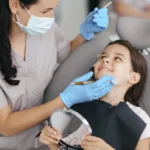






Healthy teeth start at home, but you should not carry that burden alone. A strong family dentist helps you and your children build routines that last. You learn how to brush, how to floss, and how to handle sugar and snacks. Your dentist also watches for early warning signs and speaks with you in clear words. This steady guidance turns small daily choices into lifelong habits. Regular visits create trust. Your children see the office as a safe place, not a place of fear. That trust makes it easier to ask questions and to follow advice. Even if you need advanced care, such as a dental implants dentist in Crest Hill, IL, those early habits still matter. They protect your mouth, support your health, and lower stress. This blog explains how your family dentist can guide you, step by step, toward lasting oral health.
Why early habits shape your child’s future health
You build most of your daily habits before adulthood. That includes how you care for your mouth. A family dentist understands that pattern. You get help at every age.
Children who see a dentist by age one have fewer problems later. They miss fewer school days. They need fewer fillings and fewer urgent visits. The Centers for Disease Control and Prevention (CDC) reports that tooth decay is one of the most common chronic conditions in children. You can cut that risk with early care and steady support.
A family dentist uses three simple tools.
- Clear teaching that matches your child’s age
- Routine checkups that stay on a set schedule
- Small rewards that keep your child engaged
You and your child learn what to do and why it matters. You repeat those steps until they feel as natural as washing hands.
How family dentists teach daily skills
You may know that brushing and flossing matter. You still might not know the right way to do them. A family dentist shows you, not just tells you. That difference sticks.
During a visit, your dentist or hygienist will often:
- Show you the right brushing angle and pressure
- Use a mirror so you see your own teeth while you learn
- Practice flossing on back teeth that you tend to miss
Next, you hear simple rules you can repeat at home.
- Brush two times each day with fluoride toothpaste
- Floss one time each day once teeth touch
- Limit sweet drinks and sticky snacks between meals
The American Dental Association (ADA) explains that fluoride and proper brushing cut your risk of cavities. Your family dentist reinforces that advice in person. You walk away with steps, not slogans.
Creating a calm, trusting office experience
Fear often starts with one rough visit. A family dentist works hard to prevent that. You see the same team often. Your child knows the faces, the rooms, and the sounds.
To build trust, many family dentists:
- Use simple words instead of medical terms
- Let children touch a mirror or chair before treatment
- Explain each step before it happens
You can support this at home with three actions.
- Talk about visits as a normal part of staying strong
- Read picture books about dental visits with young children
- Plan something calm after the visit so your child can relax
Trust grows with each visit. You avoid the pattern of only going when something hurts. That shift changes your child’s entire view of dental care.
From emergency visits to prevention
Emergency visits feel sudden and heavy. They also cost more time and money. A family dentist works to keep you away from that cycle. You move from crisis to prevention.
Here is a simple comparison.
| Type of visit | How often | Main focus | Long term effect on habits |
|---|---|---|---|
| Emergency only | Only when in pain | Fixing urgent problems | Teaches your child that care is linked to fear and pain |
| Routine family visits | Every 6 months | Cleaning and checking for early signs | Teaches your child that care is normal and under control |
You send a strong message with your choices. When you show up for cleanings and exams, you show your child that maintenance is worth the effort. You also catch small issues before they grow.
Simple home routines that dentists support
Your family dentist cannot brush for you. You still get strong support for what you do at home. You can set up three simple routines.
First, set a brushing schedule.
- Brush after breakfast
- Brush before bed
- Use a timer or a two minute song
Second, build a floss habit.
- Pick one set time each day
- Help young children until they can tie their shoes
- Use floss picks if that makes it easier
Third, manage sugar.
- Serve water instead of juice or soda with most meals
- Keep sweets with meals rather than constant snacks
- Rinse with water after treats if brushing is not possible
Your dentist can review these steps at each visit. You can ask for tips that match your schedule, your budget, and your child’s mood.
Supporting teens and adults through life changes
Good habits face new stress during the teen years and beyond. Sports drinks, energy drinks, tobacco, and stress all hurt teeth. A family dentist talks with teens in honest terms. You get clear facts without judgment.
For adults, life changes like pregnancy, health conditions, or new medicine can affect your mouth. You may face dry mouth or gum swelling. Your family dentist tracks these changes. You receive updated advice and treatment when needed. You hear what to watch for and when to call.
Working as a team for lifelong oral health
You do not have to be perfect. You only need to stay engaged. A family dentist stands beside you as a steady partner. You bring your child. You show up on time. You ask questions. In return, you receive clear teaching, careful exams, and steady encouragement.
Over time, these shared efforts protect your smile. They also shape how your child cares for their own children one day. You are not just keeping teeth clean. You are building a pattern of respect for health that can last for life.


