

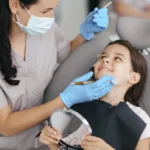






You might wait to see a dentist until something hurts. That delay often leads to rushed visits, higher costs, and stress you could have avoided. Regular preventive visits give you control. You catch small problems early, protect your teeth, and keep your smile steady. You also lower your risk of sudden emergencies that pull you out of work or family time. A dentist in Mt. Vernon, New York can check your mouth, clean away hard buildup, and spot warning signs you cannot see in a mirror. These visits also give you clear answers about brushing, flossing, and food choices. You leave with a simple plan that fits your life. This blog shares four clear benefits of preventive dentistry visits, so you understand why a steady schedule matters for your health, your wallet, and your peace of mind.
1. You Catch Problems Early Before They Grow
Tooth decay and gum disease often start in silence. You may feel fine while damage spreads under the surface. Regular checkups give you early warning. The dentist checks your teeth, gums, tongue, and jaw. You get X rays only when needed. Tiny spots of decay or gum changes show up long before you feel pain.
Early care leads to three clear gains.
- Smaller fillings instead of root canals
- Shorter visits instead of long treatment plans
- Simple home steps instead of urgent repair
The Centers for Disease Control and Prevention explains that untreated cavities are common in children and adults, yet they are preventable with steady care.
Every visit is a checkpoint. You learn what changed since last time. You see what went well and what needs work. This steady watch keeps small issues from turning into tooth loss or infection.
2. You Save Money And Time Over The Years
Preventive visits cost less than emergency care. One cleaning and exam often cost a fraction of a crown or root canal. When you skip visits, you raise the chance that a hidden problem will turn into a painful crisis. That crisis can bring higher bills, missed work, and long recovery.
Here is a simple example. These are sample cost ranges. Actual costs vary by location and insurance.
Sample Cost Comparison: Preventive Visit Versus Delayed Treatment
| Type of Dental Service | When You Schedule Regularly | When You Wait Until It Hurts |
|---|---|---|
| Routine exam and cleaning | $75 to $200 per visit | Often skipped |
| Small filling | $150 to $300 | May not be needed if decay is prevented |
| Root canal and crown | Often avoided with early care | $1,000 to $3,000 or more |
| Emergency visit for severe pain | Less likely | $200 to $1,000 plus treatment costs |
These numbers show a clear pattern. Small, routine visits keep costs steady. Long gaps raise the risk of sudden high bills. You also save time. Routine visits often take about one hour. Major work can take several visits, follow up checks, and time off from work or school.
3. You Protect Your Total Health
Your mouth connects to the rest of your body. Infections in your gums or teeth do not stay in one place. Bacteria can enter your blood. That can strain your heart, lungs, and immune system. The Office of the Surgeon General has warned that poor oral health links with heart disease, stroke, and diabetes.
Regular preventive visits help in three ways.
- The dentist checks for gum disease, which can raise blood sugar and stress your heart
- The dentist checks for oral cancer, which can spread if not found early
- The dentist looks for signs of other health issues, such as dry mouth from medicines or grinding from stress
This care supports your whole body. When your mouth is clean and calm, you can eat, sleep, and speak with less strain. You also reduce chronic inflammation, which can affect many organs. For children and older adults, this protection is even more clear. Healthy teeth support good nutrition and clear speech through every stage of life.
4. You Build Strong Habits For Your Family
Regular preventive visits help you and your family build steady habits. Children who grow up with checkups every six months see dental care as normal. They learn that care is not a punishment. It is a routine part of staying healthy, like hand washing and seat belts.
During visits, you and your child can ask simple questions.
- How should you brush and floss each day
- Which snacks are less sticky and less sweet
- How sports guards can protect teeth during play
You also get clear guidance on fluoride, sealants, and other basic tools that prevent decay. These steps are safe and common. They give teeth extra strength against daily wear and tear.
For adults, regular visits can reset old habits. If you feel fear or shame about missed care, a calm and steady schedule helps you move forward. Every visit is a chance to build trust, ask hard questions, and set one small goal for the next six months. Over time, these small steps add up to a stronger mouth and less worry.
How Often Should You Schedule Preventive Visits
Many people do well with a visit every six months. Some people need more frequent cleanings due to gum disease, medical conditions, or medicines that dry the mouth. A few people with very low risk may need fewer visits. The right schedule depends on your teeth, your gums, your health, and your daily habits.
You can use this simple rule of three.
- Go at least once a year for a checkup
- Aim for every six months for cleaning and review
- Follow your dentist’s advice if you need extra visits
The key is not perfection. The key is a pattern. When you keep a regular schedule, problems do not get a long head start. You stay informed and in control.
Take Your Next Step Today
You do not need to wait for pain. You can call and book a preventive visit that fits your calendar. You can bring your questions and your worries. You can ask for a clear plan that matches your health, your budget, and your family needs. Regular preventive care protects your teeth, your body, your time, and your money. It also gives you one more thing. It gives you quiet confidence each time you eat, speak, or smile.


